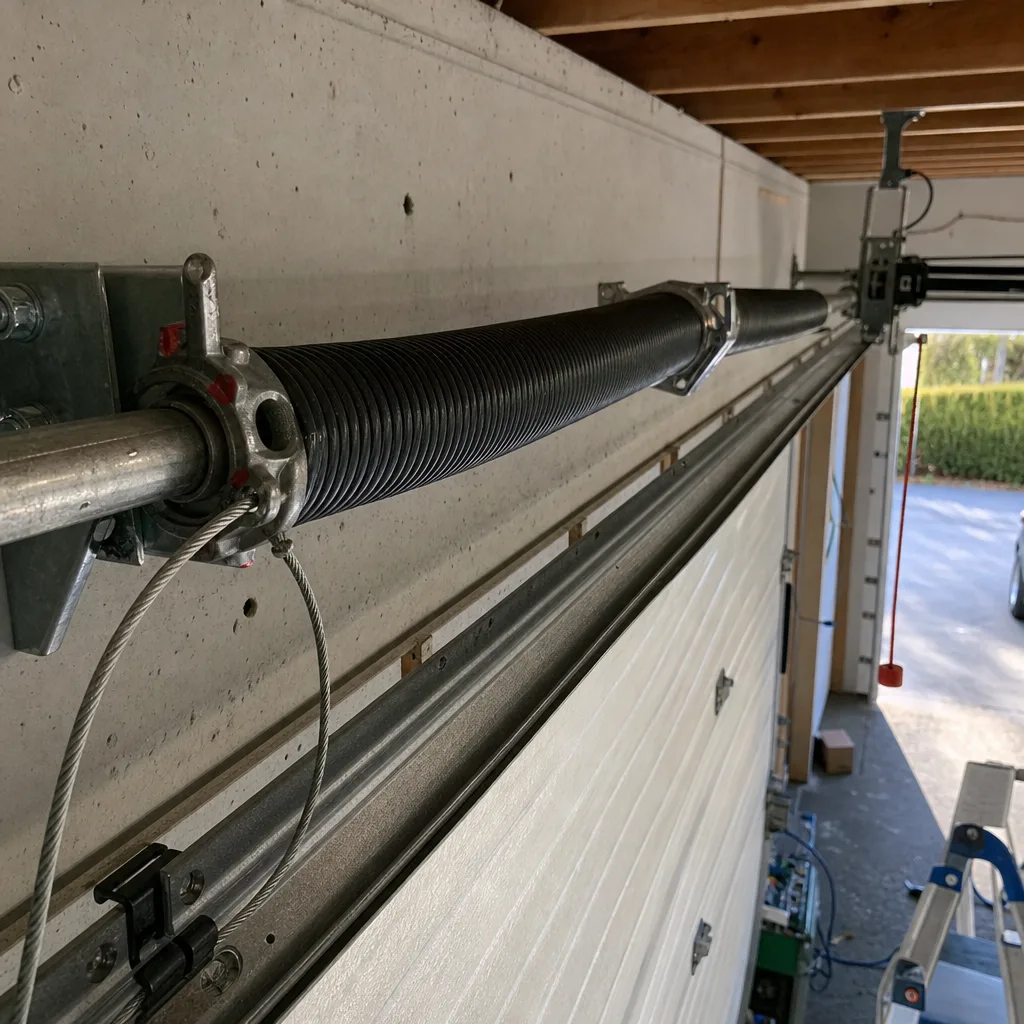
Last updated November 20, 2026
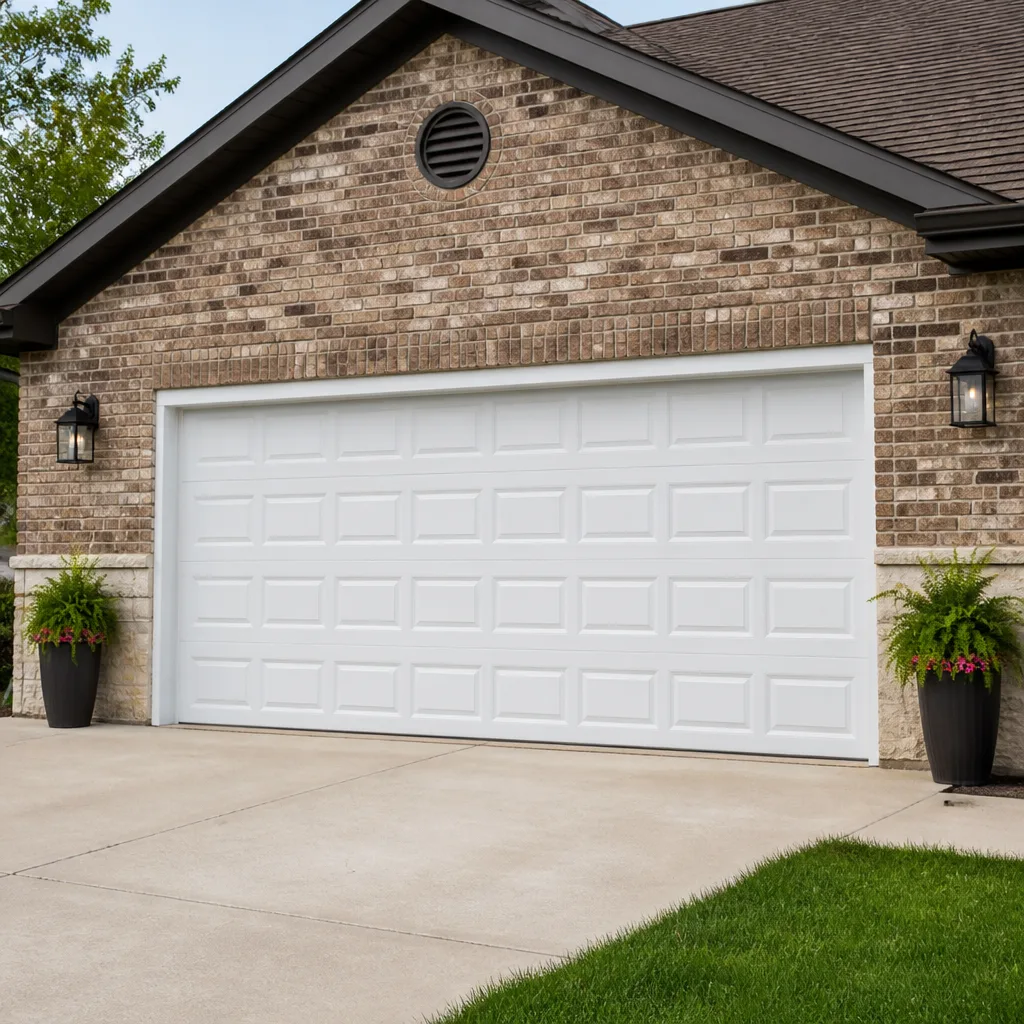 Raised-panel steel
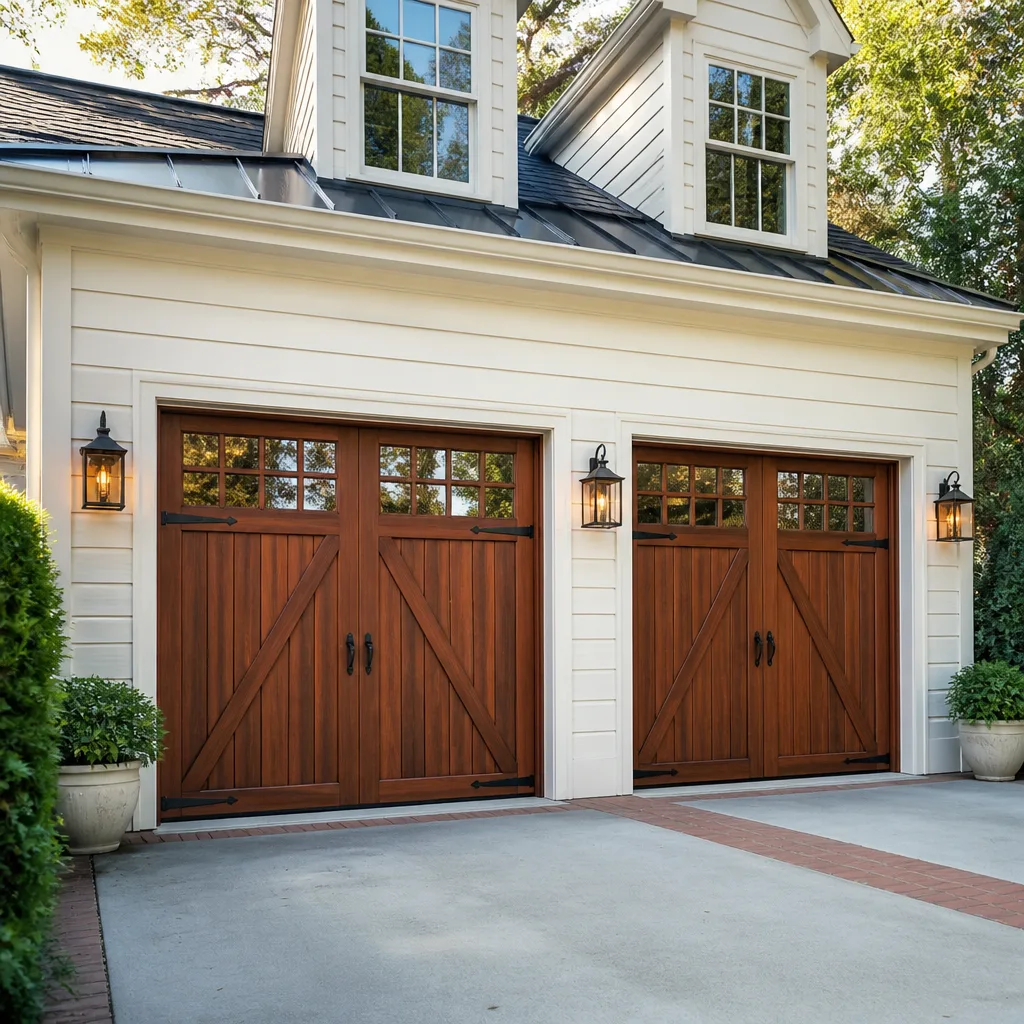 Carriage house
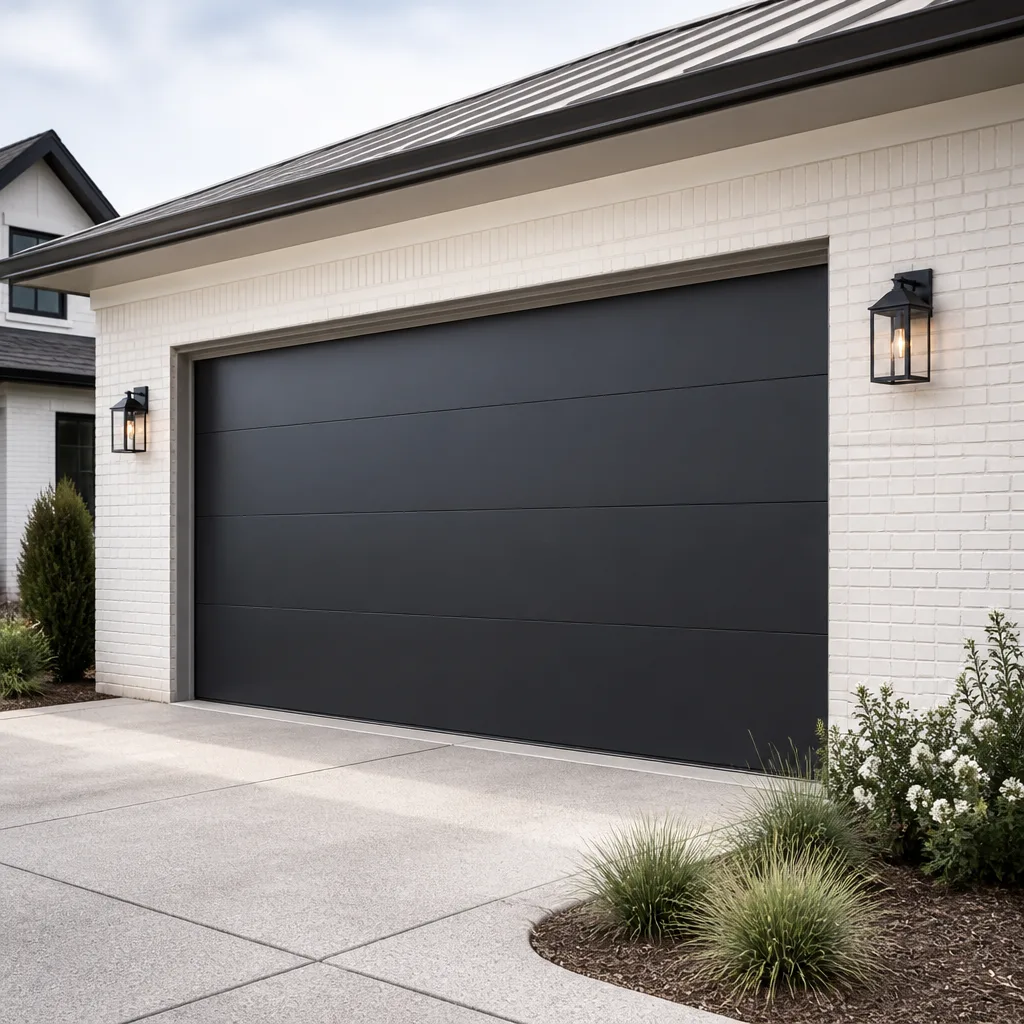 Modern flush
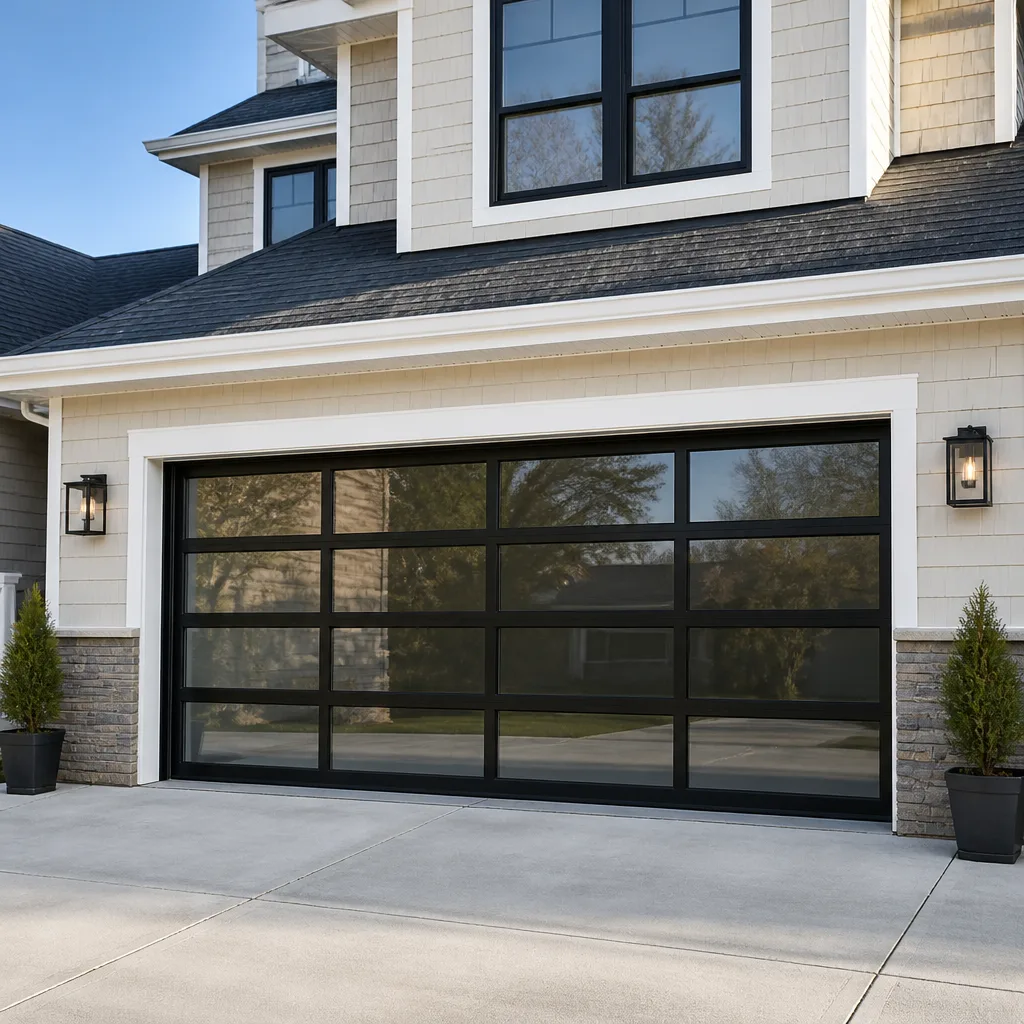 Full-view glass
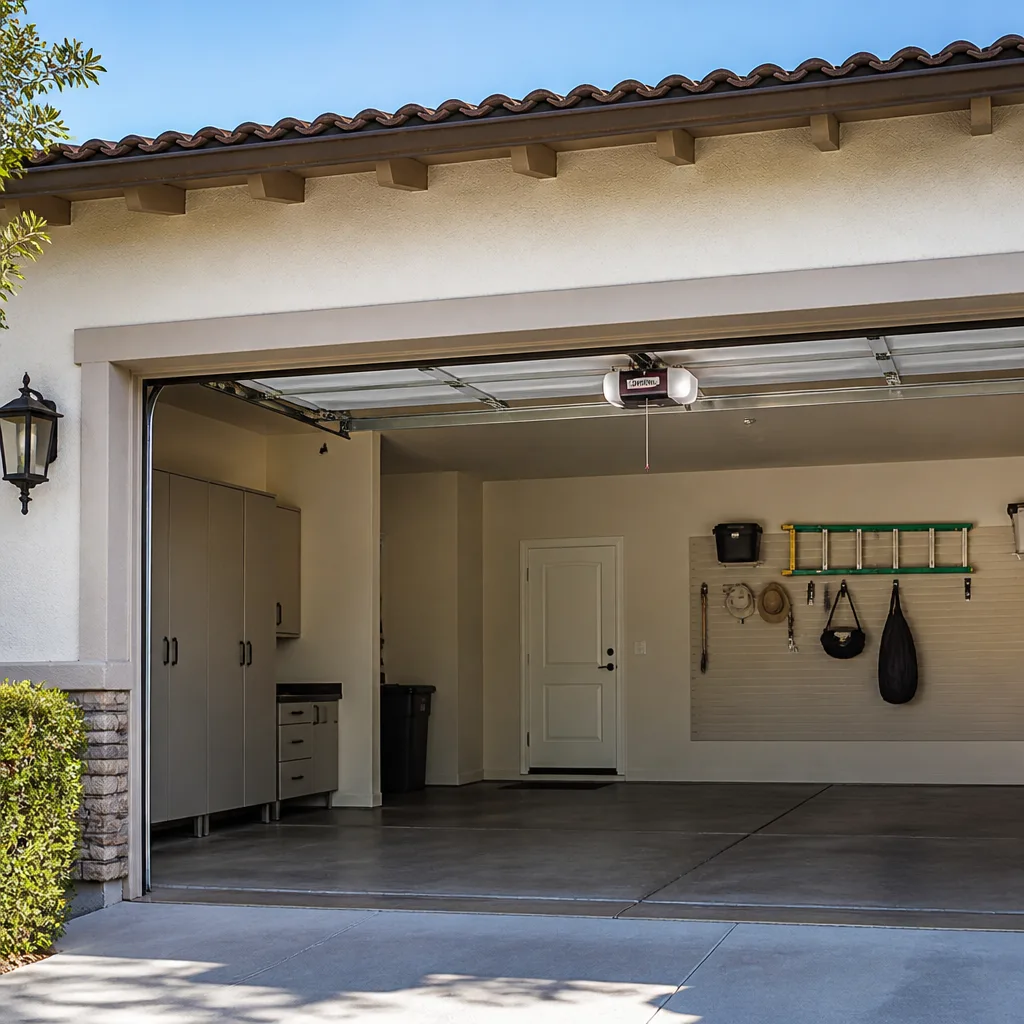 LiftMaster openers
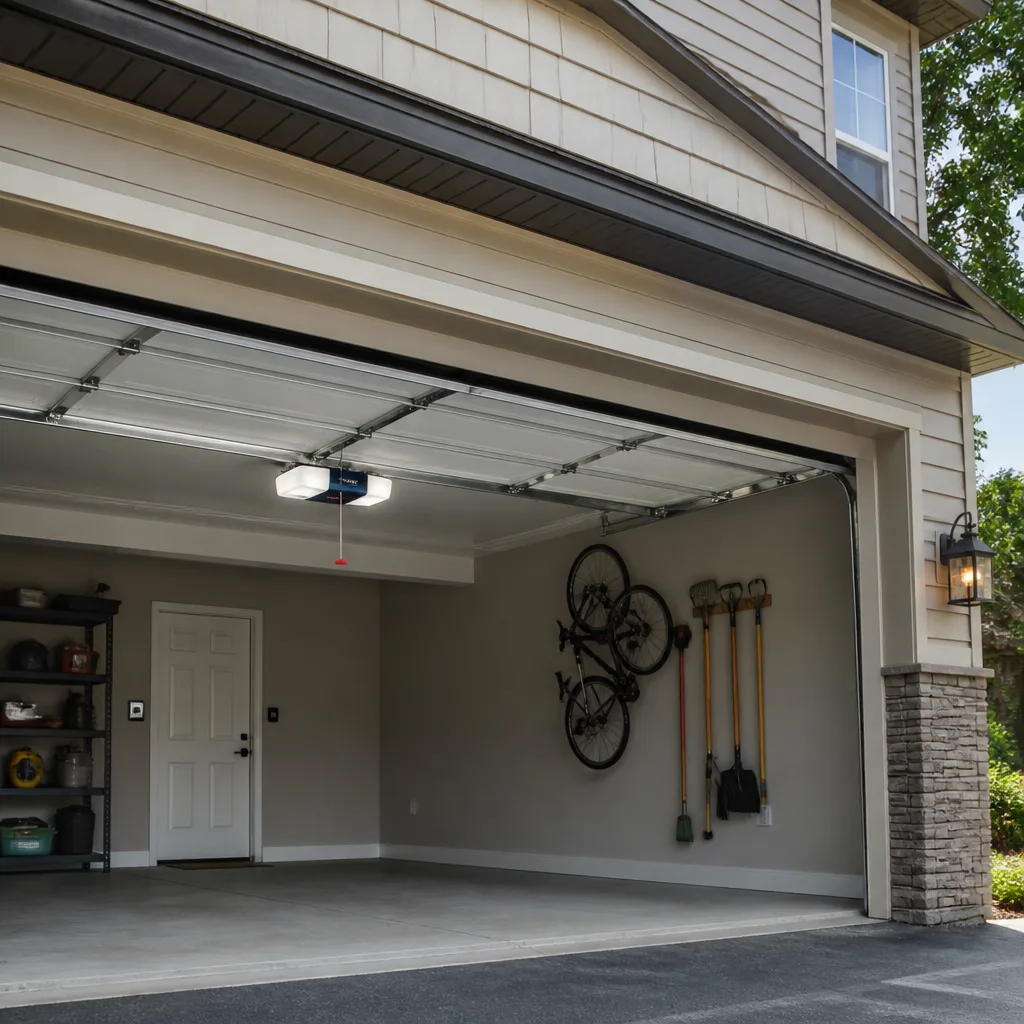 Chamberlain openers
Full 25-point door and opener safety check with every visit - springs, cables, rollers, tracks, and your LiftMaster or Chamberlain opener included
You get a price before we start. It does not change when the pro arrives.
Get your free estimateSeasonal Garage Door Care for Burien: Year-Round Homeowner’s Guide
Burien doesn’t get the hard freezes that crack seals in Minnesota, but the nine months of wet weather create a slower, less dramatic set of failures that catch homeowners off guard every spring. Most garage door advice online was written for climates with deep winter cold or blistering summer heat. Following that calendar here means you seal the wrong things at the wrong time and skip the checks that actually matter in a Puget Sound marine climate. This guide lays out a Burien-specific seasonal schedule: what to inspect before the October rains, what to watch through the wet winter, what to assess in spring after months of humidity, and which jobs belong in the dry summer window. It also draws a clear line between what you can safely do yourself and what needs a trained technician.
Quick Answer
Garage door care in Burien follows a wet-season/dry-season calendar rather than a freeze-thaw one. Before October, lubricate moving parts, seal the door-to-floor gap, and check for rust on hardware. Through winter and spring, watch for bottom seal deterioration and wood panel swelling from persistent humidity. Save painting, hardware swaps, and resealing for the dry summer months. Anything involving springs, cables, or the opener’s internal wiring should go to a technician year-round.
Styles & brands we work with
- Raised-panel steel
- Carriage house
- Modern flush
- Full-view glass
- LiftMaster openers
- Chamberlain openers
Table of Contents
- Fall Prep Before the Rainy Season
- Winter Watch: Seals, Gaps, and Standing Water
- Spring Assessment After the Wet Season
- Summer: The Dry Window for Bigger Jobs
- Which Tasks You Can Do and Which Need a Technician
- Brand Notes: What to Watch on Common Systems
- Common Mistakes to Avoid
Fall Prep: What to Seal, Lubricate, and Inspect Before October
The rainy season in Burien usually settles in by October and doesn’t let up much until spring. That gives you a clear deadline for the year’s most important maintenance window. Everything you do in fall is aimed at keeping water out and keeping metal moving smoothly through months of damp air.
Start with the door-to-floor gap. Close the door and look at where the bottom seal meets the concrete. Any visible light under the door means water will find its way in, and in this climate it doesn’t take a storm to cause a problem. A few days of steady drizzle will do it. If the seal is flattened, cracked, or torn, it needs replacing before the wet season starts.
Lubricate the moving parts next. Hinges, rollers, and the torsion or extension springs all benefit from a proper garage door lubricant. Most of the noise complaints we hear in fall come from dry metal that just needed oil.
- Close the door and disconnect the opener so you can work safely.
- Apply lubricant to each hinge pivot point, the roller stems, and the spring coils.
- Wipe away excess so grit doesn’t collect on the grease.
- Check the tracks for debris and wipe them clean with a damp cloth.
- Look for rust starting on hinges, bolts, and track brackets; treat small spots before the wet season makes them worse.
Finish by walking the perimeter of the door with the opener disconnected and lifting it halfway by hand. If it feels heavy, binds, or won’t stay put, that’s worth a technician’s look before winter. Getting a door into working order today in fall is far easier than dealing with a seized system in January.
Winter Watch: Seals, Gaps, and Standing Water
Burien’s winter rarely brings the kind of cold that cracks seals or freezes tracks solid. What it does bring is weeks of rain and damp air that never quite dries out. That changes the failure pattern: instead of freeze damage, you get slow saturation and gradual deterioration.
The bottom seal is the part to watch most closely. Water pooling on the driveway apron – a common issue when a downspout dumps close to the garage door – will soak into a worn seal and work its way under it. Once water sits against the bottom edge of the door, the wood or composite panel starts to absorb it. Check these items through winter:
- Bottom seal condition – look for softness, dark discoloration, or separation from the door panel.
- Standing water – identify where water collects on the apron and redirect downspouts or grading if possible.
- Door-to-floor gap – recheck after heavy rain; seals that look fine when dry may show gaps once saturated.
- Interior dampness – condensation or a damp smell inside the garage often points to a failing seal or poor ventilation.
- Track alignment – wood framing and track anchors can shift slightly with winter moisture; listen for new rattles or scraping.
If water is getting into the garage around the bottom of the door, a technician can assess whether the seal, the threshold, or the door panel itself is the source. In our experience, replacing a worn seal before the worst of winter is one of the cheapest ways to prevent bigger problems. If the opener itself starts acting up in the damp months, that’s a separate issue worth a call for garage door opener repair.
Spring Assessment: Spotting What the Wet Season Left Behind
Spring is the season that reveals what nine months of humidity did. This is the time to walk around the door slowly and look for the small things that become structural problems if you ignore them. In our experience, the three biggest spring findings in Burien are rust, corrosion, and wood panel swelling.
Rust and corrosion. Hinges, bolts, track brackets, and the bottom fixture are the first places rust shows up. Surface rust on painted steel is often cosmetic, but rust that has reached the pivot points of hinges or the base of the track can cause binding and uneven operation. Clean and treat small spots, and flag anything that’s pitted or flaking.
Wood panel swelling. If your door has wood or wood-composite panels, moisture absorbed over the wet season can cause swelling at the bottom edge, joints, or panel seams. Look for panels that have lost their flush fit, paint that’s blistering along the bottom, or gray/green discoloration that hints at ongoing dampness. Swelling at the bottom of a panel is worth taking seriously – left alone, it can lead to delamination and a much bigger repair.
Paint and finish integrity. Blistered or peeling paint on the door is more than a cosmetic issue in a wet climate. Once the finish breaks down, bare material is exposed to moisture and the deterioration accelerates. Note problem areas now and put them on the summer list.
- Inspect hinges, bolts, and brackets for rust or corrosion.
- Run a hand along the bottom edge of each panel to feel for softness or swelling.
- Look at the base of the door for paint blistering, gray discoloration, or visible wood grain lifting.
- Check the bottom seal again; spring is when winter’s wear shows most clearly.
- Test the door manually with the opener disconnected and note any binding or unusual noise.
If spring inspection turns up something you can’t explain, a garage door repair visit will tell you whether it’s a quick fix or something that needs more attention.
Summer: The Dry Window for Bigger Jobs
Burien summers are mild and dry, which makes them the safest time to do tasks that require stable conditions. Paint needs dry air and a stretch of days without rain to cure properly. Sealing wood needs the same. Hardware replacements go more smoothly when the door isn’t fighting moisture-related swelling.
This is also the season to schedule inspections for systems that only show problems when they’ve been run hard. The door has been through a full wet cycle by now, and summer gives you a dry baseline to compare against. Plan these jobs for the dry months:
- Repainting or refinishing – address any bare wood or flaking paint noted in spring. Allow for full cure time; a door refinished too close to the wet season can lose its protection.
- Resealing joints and seams – caulk and sealant cure best in dry conditions, and a good seal in summer protects against the next wet season.
- Hardware replacement – swap out rusty or worn hinges, rollers, and brackets while conditions are dry and the metal can be properly prepped.
- Bottom seal replacement – if the seal was on its last legs in spring, summer is the most convenient time to replace it.
- Full safety inspection – a trained eye can catch issues that are hard to spot from a homeowner’s viewpoint, particularly on springs and cables.
If you’re noticing that your LiftMaster or Chamberlain opener is running louder or the door reverses unexpectedly, summer is a good time to have that checked. Many opener issues that look seasonal are actually mechanical wear that’s easier to diagnose in stable conditions. In our experience, a garage door spring repair done in summer gets you ahead of the cold, damp months when the system is under more stress.
Which Tasks You Can Do and Which Need a Technician
Knowing where the line sits is the single most useful thing this guide can tell you. Many seasonal tasks are safe and satisfying for a homeowner. Others involve parts that can cause serious injury if something goes wrong, and those are not worth attempting.
Safe for most homeowners
- Lubricating hinges, rollers, and spring coils (with the opener disconnected)
- Cleaning tracks with a damp cloth
- Wiping down rust spots and applying a rust-inhibiting treatment to cosmetic surfaces
- Inspecting seals and noting where the bottom seal meets the floor
- Painting and refinishing the door in dry weather
- Checking that the door operates smoothly by hand with the opener off
Needs a trained technician
- Spring repair or replacement – torsion and extension springs are under extreme tension. Attempting to adjust or remove them without the right tools and training can cause serious injury.
- Cable replacement or adjustment – cables are under high tension and can snap unpredictably.
- Opener internal work – the motor, logic board, and wiring are best left to someone who knows the system.
- Track realignment when badly bent or displaced – a door that has come out of its tracks can be unstable and dangerous to work around.
- Door panel repair or replacement – if a panel has structural damage from moisture, this needs a proper assessment.
If you’re not sure which category something falls into, describe it over the phone. A technician can usually tell you whether it’s a do-it-yourself item or a call-out job. Our technicians have up to 15 years of experience, and they work on what you already have – so the recommendation is always to fix, not to push a replacement. If you’d like an honest read on your door before deciding anything, we offer free estimates in Burien.
Brand Notes: What to Watch on Common Systems
Seasonal care looks a little different depending on what’s installed on your garage. Brand-familiar technicians know what tends to fail first on each system. Here are notes on a few common ones we see across Burien.
LiftMaster and Chamberlain. Both are common on residential doors and share a similar design lineage, so many parts and service procedures overlap. On the mechanical side, watch for opener chains or belts that get dry and noisy in fall. On the logic side, older units can develop board issues that show up as intermittent operation or safety-reverse problems in damp weather. The seasonal tune-up for these systems is mostly about keeping the chain or belt lubricated and the safety sensors clean and aligned.
Genie. Genie openers show up often on older doors. They’re generally durable, but they’re sensitive to a door that’s running heavy – if the door binds or the spring is losing tension, the opener works harder and fails sooner. Fall is a good time to confirm the door moves freely by hand before the wet season, so the opener isn’t compensating for a mechanical problem.
Clopay doors. Clopay panels are common on modern installations. On these, seasonal care is mostly about finish integrity. Keep an eye on the bottom edge and any seams where moisture can sit, and stay on top of paint touch-ups. A Clopay door with a healthy coat of paint will weather Burien’s damp winters far better than one with a compromised finish.
If your brand isn’t listed here, we still may be able to help – we work on the eight most widely installed residential brands. When in doubt, describe the system and we’ll let you know.
Common Mistakes to Avoid
- Waiting until something breaks to inspect. In a wet climate, small issues like a worn seal or a rusting hinge compound quickly. A ten-minute check in fall is far cheaper than a repair in the middle of winter.
- Painting in the wrong season. A door painted in September in Burien may not cure fully before the rains arrive. Save paint work for the dry summer window.
- Skipping the bottom seal because it looks fine. Seals that look fine when dry can show gaps once saturated. Test them after rain, not before.
- Lubricating the tracks. Tracks should be clean and dry. Lubricant on the tracks collects grit and debris and makes the door harder to operate, not easier.
- Trying to adjust springs yourself. High-tension springs are the single most dangerous part of any garage door system. Seasonal checks are fine; adjusting or replacing them is not a homeowner job.
- Ignoring wood swelling. A little swelling at the bottom of a wood panel in spring can turn into delamination by the following spring. Address it in the dry season, not when it becomes a bigger repair.
- Assuming mild winters mean no maintenance. Burien winters rarely freeze hard, but persistent humidity is its own kind of stress. The mild calendar is a reason to watch closely, not a reason to skip checks.
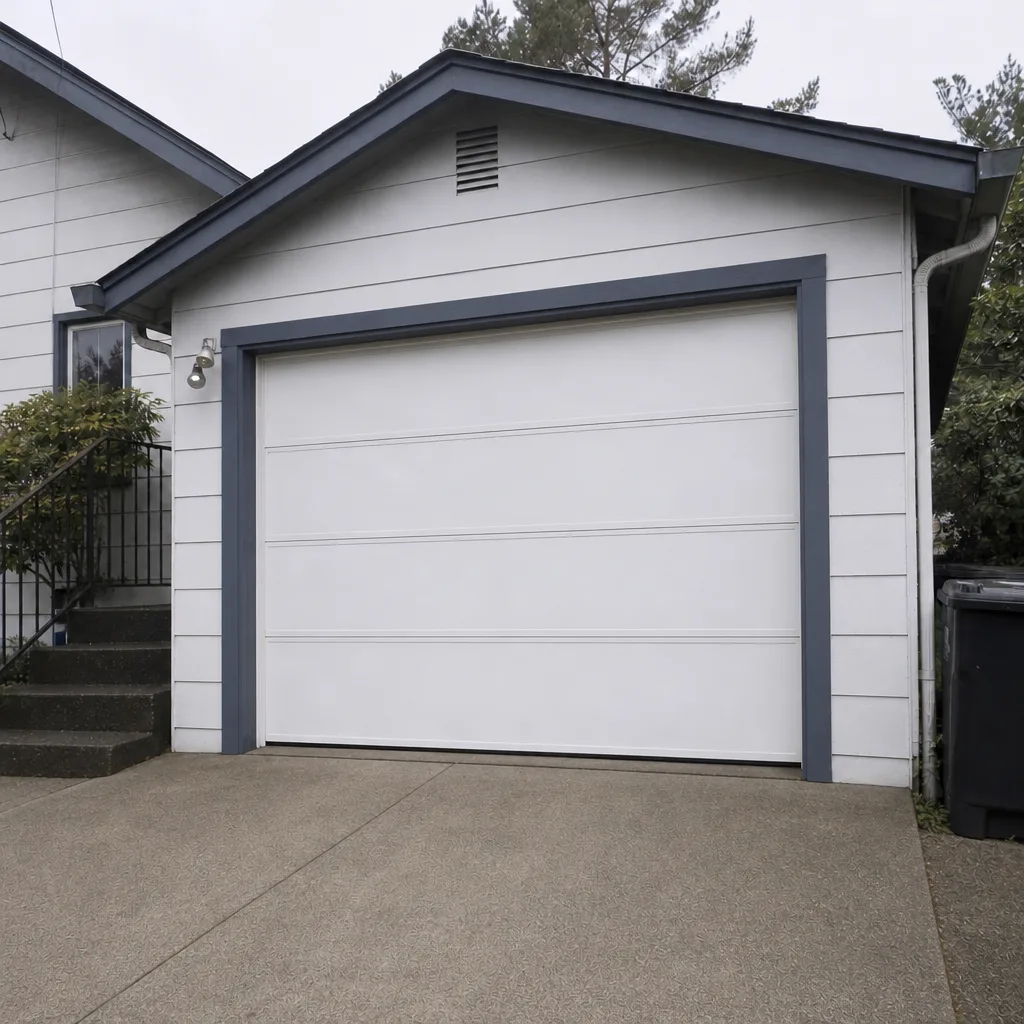
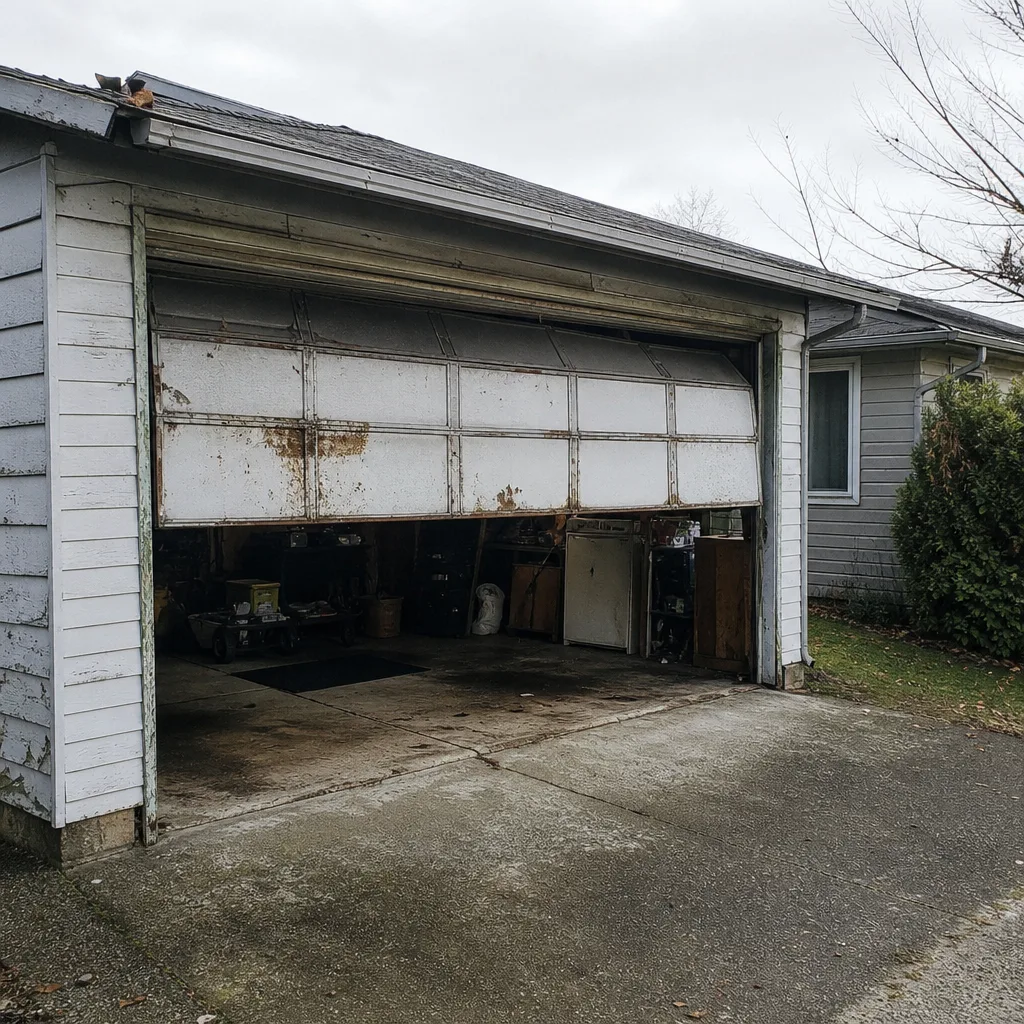
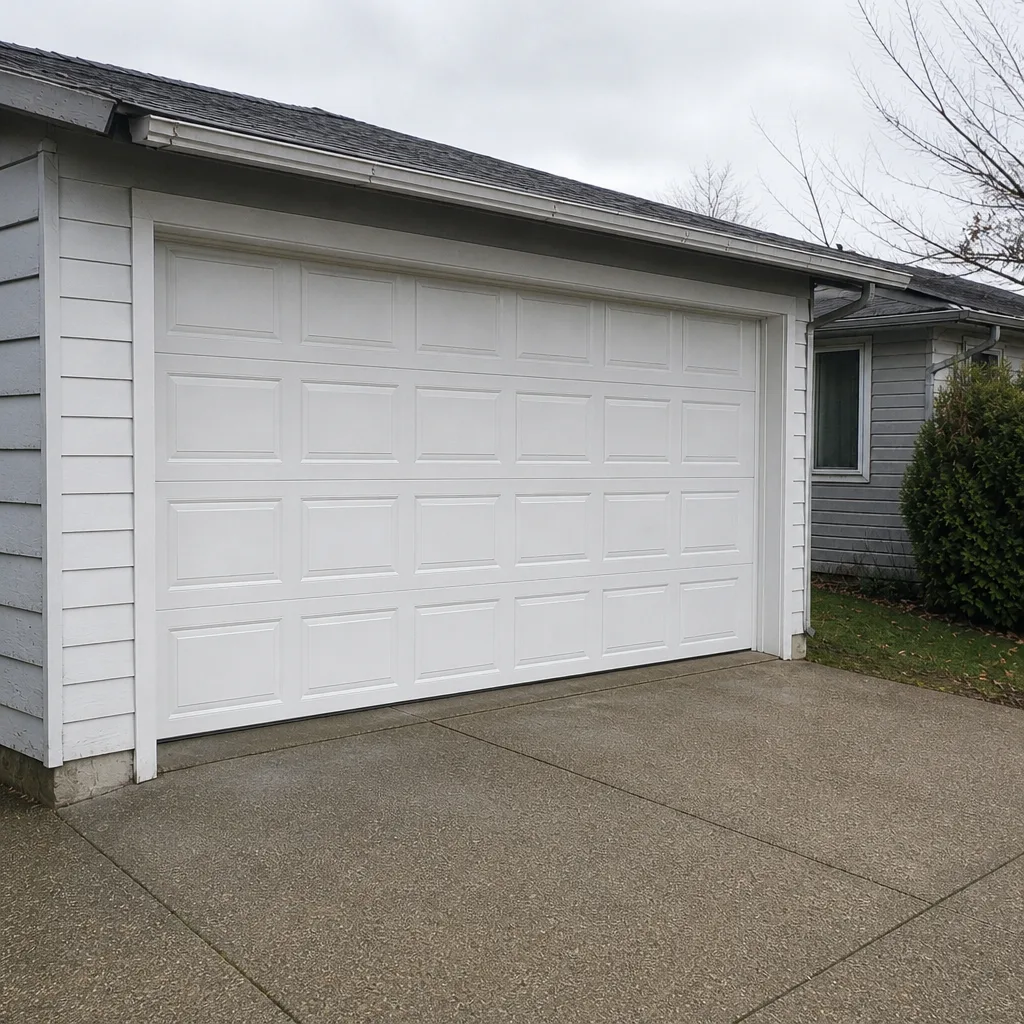
See the difference
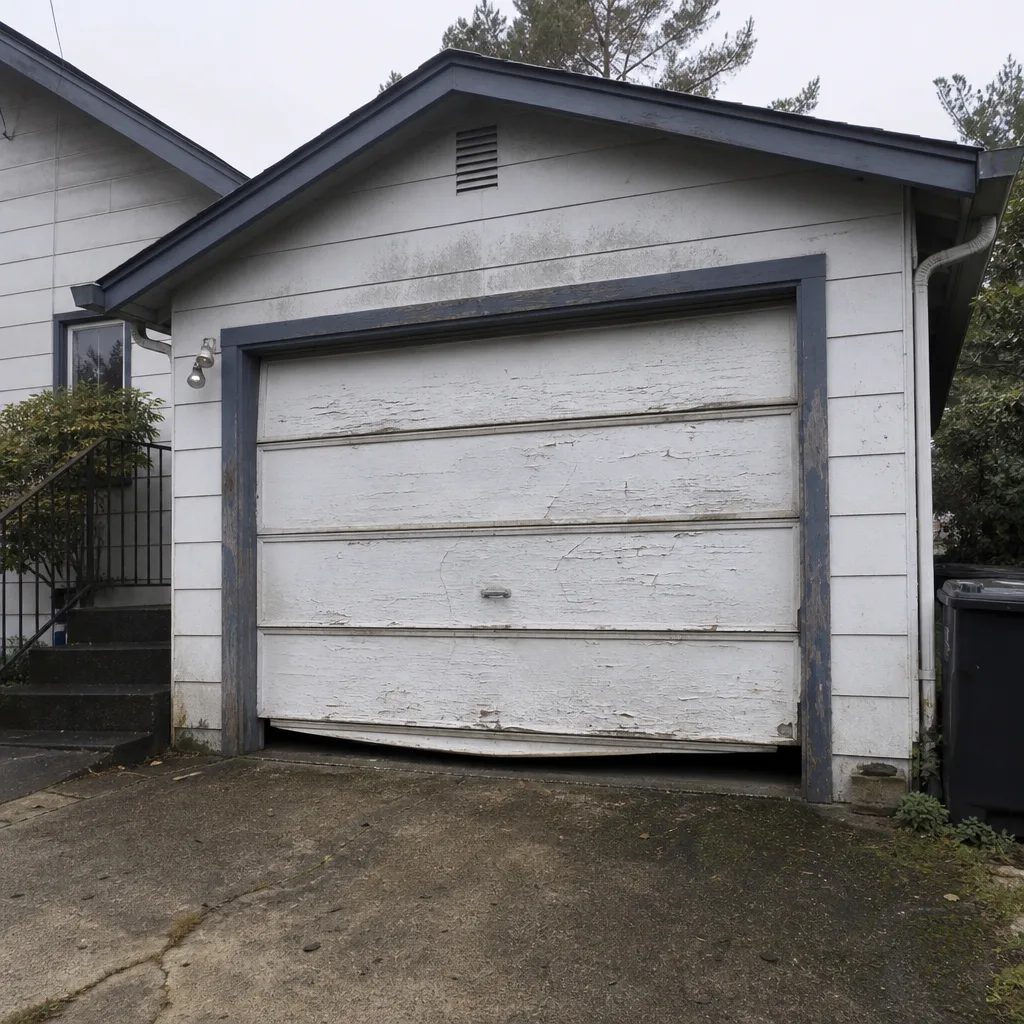 Before
 After
 Before
 After
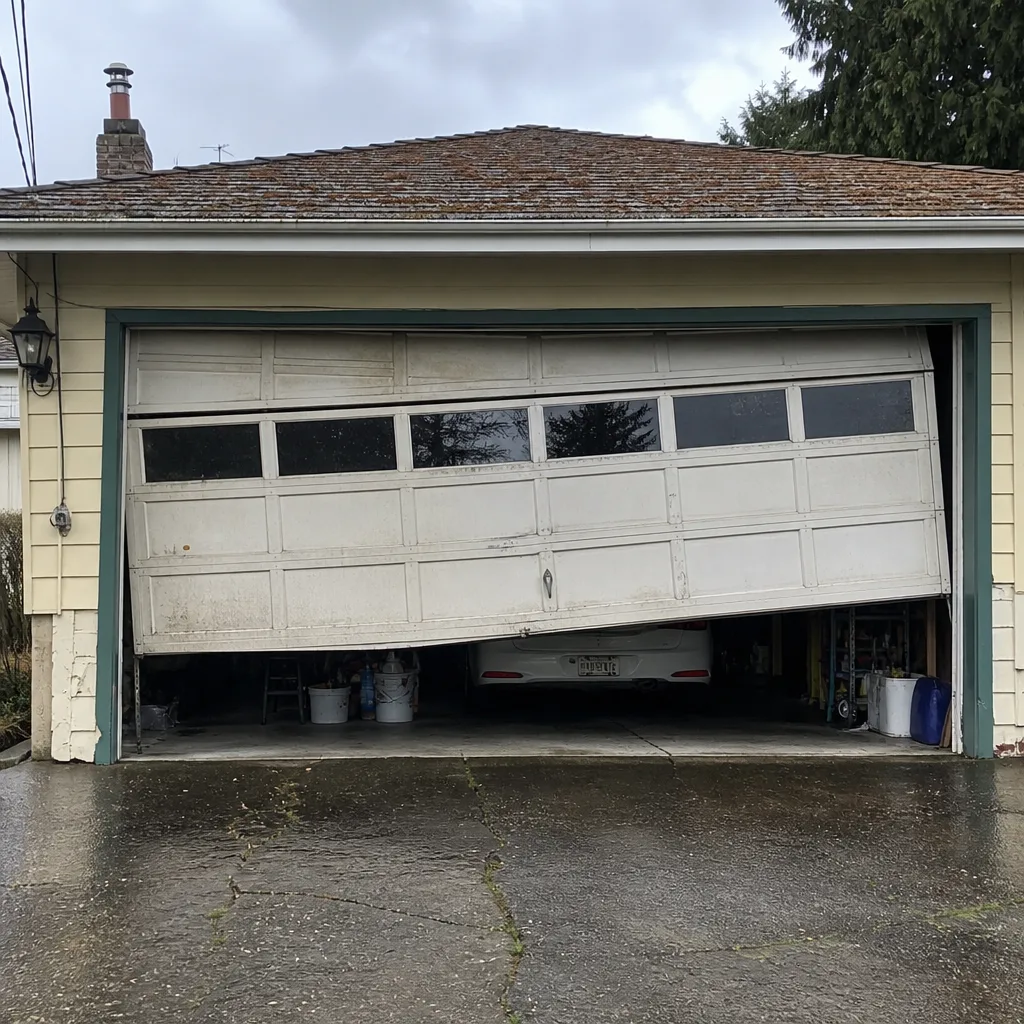 Before
 After
When to Call a Professional
A few situations clearly call for a technician, even if you’re generally comfortable handling simple seasonal tasks. Call if the door is heavy to lift by hand, if it binds or won’t stay open at the halfway point, if you hear a loud bang from the springs, or if the door has come off its tracks. Call if a bottom seal is actively letting water in and the fix isn’t obvious. Call if the opener reverses unexpectedly, runs loudly, or won’t respond to the remote. And call if spring inspection turns up anything that looks worn, bowed, or out of place – don’t try to test it further yourself.
Burien Garage Door Repair Pros offers free estimates in Burien – call (877) 542-9430. A technician can walk through the seasonal checklist with you and tell you exactly what needs attention now and what can wait.
Frequently Asked Questions
Once a year is a good baseline for most homes, timed to the fall before the rainy season. Doors that face direct weather, sit on a slope where water pools, or have wood or composite panels benefit from a spring check too, so you catch anything the wet season started. If you hear new noises or the door gets harder to lift at any point during the year, don’t wait for the scheduled check – have it looked at right away.
Yes, but the concern is different from a snowy climate. You won’t have road salt and heavy freeze-thaw, but you will have nine months of damp air that keeps metal surfaces from fully drying out. Rust tends to start on hinges, bolts, and track brackets where water collects. Treat small spots in summer and keep an eye on the bottom edge and pivot points through winter. Call (877) 542-9430 if you spot rust that’s pitting the metal rather than just surface discoloration.
In Burien, the dry summer months are the practical window. Paint needs a stretch of dry, mild weather to cure properly, and a door painted too close to the wet season can end up with poor adhesion and premature peeling. Aim for mid-summer and check the forecast before you start. Refinishing is one of the few seasonal jobs that pays off directly when the rain returns.
Persistent humidity is the main driver. A bottom seal in a dry climate mostly deals with sun and dust; here, it deals with water sitting against it for weeks at a time. If water pools on the concrete apron in front of the door, the seal will degrade faster, and the bottom edge of the door can start absorbing moisture. Redirecting downspouts and keeping the apron clear helps, but a worn seal should be replaced before the wet season.
Applying a proper garage door lubricant to the outside of the spring coils is safe for most homeowners, provided the opener is disconnected and you’re not adjusting or removing anything. What’s not safe is any attempt to adjust tension, remove the spring, or work on the cables. Those jobs are for a trained technician only. If you’re unsure whether your spring is just dry or actually worn, a call for Burien Garage Door Repair Pros to take a look is the right move.
Not usually. Opener failures in damp weather are often about sensitivity or logic-board issues rather than a system that’s end of life. A repair-first approach means a technician diagnoses the actual fault before recommending anything bigger. If the opener is beyond repair, that conversation happens only after the diagnosis. Call (877) 542-9430 and we’ll talk through what you’re seeing.
The Bottom Line
Garage door care in Burien is about water, not ice. Fall is your window to seal, lubricate, and inspect before the rains. Winter is for watching seals and water flow. Spring is for assessing rust, corrosion, and wood swelling that the wet season left behind. Summer is when you paint, reseal, and replace hardware under dry conditions. Do the safe seasonal tasks yourself and hand spring, cable, and opener troubleshooting to a trained technician. Match the calendar to the climate and your garage door will handle the wet months far better. If something needs attention now, call Burien Garage Door Repair Pros at (877) 542-9430 for a free estimate.
Written by the team at Burien Garage Door Repair Pros.