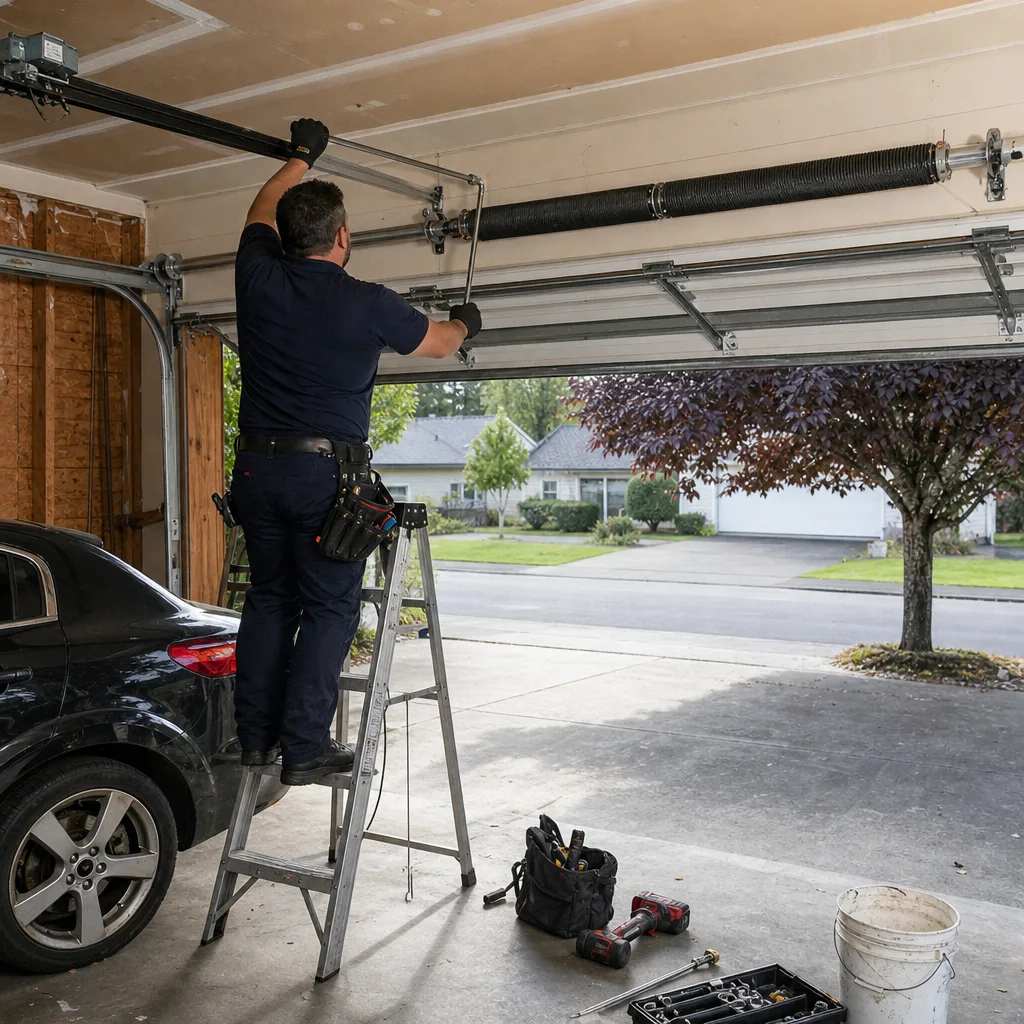
Last updated November 20, 2026
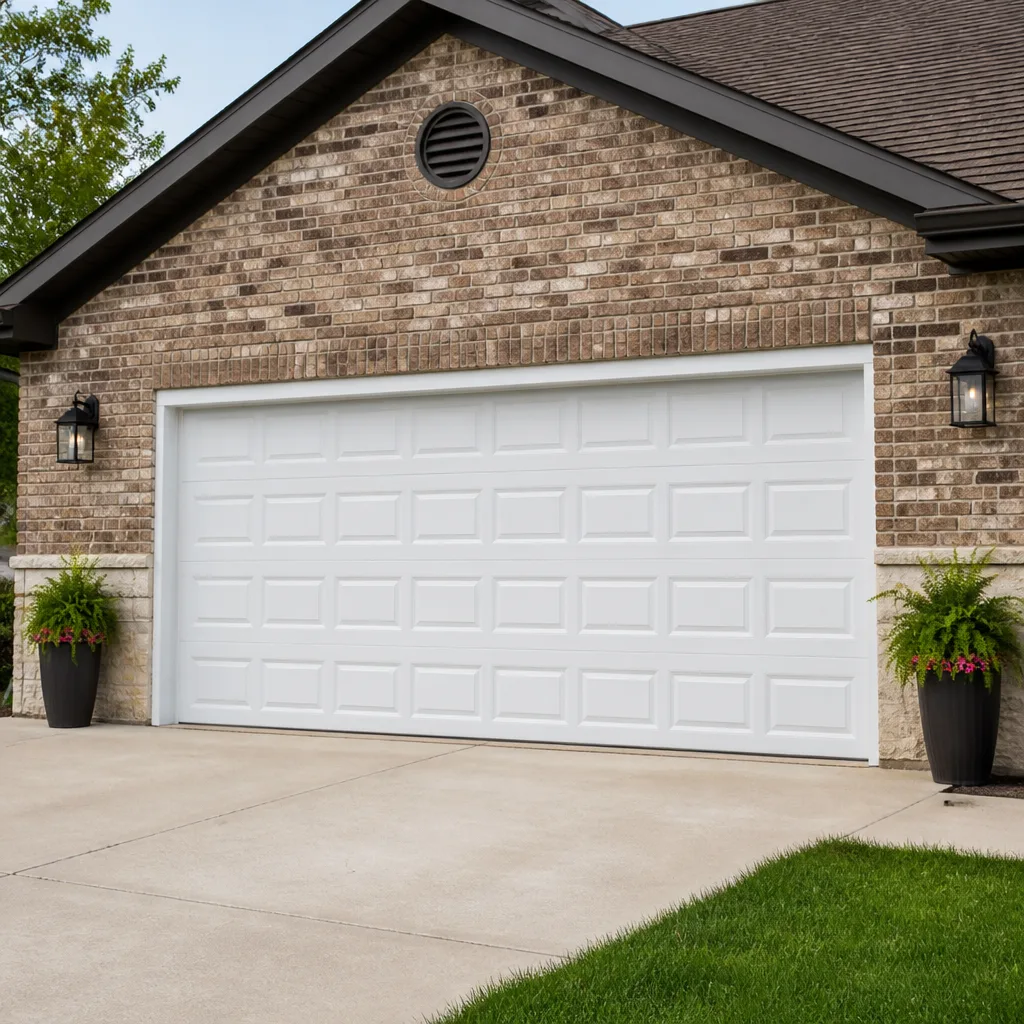 Raised-panel steel
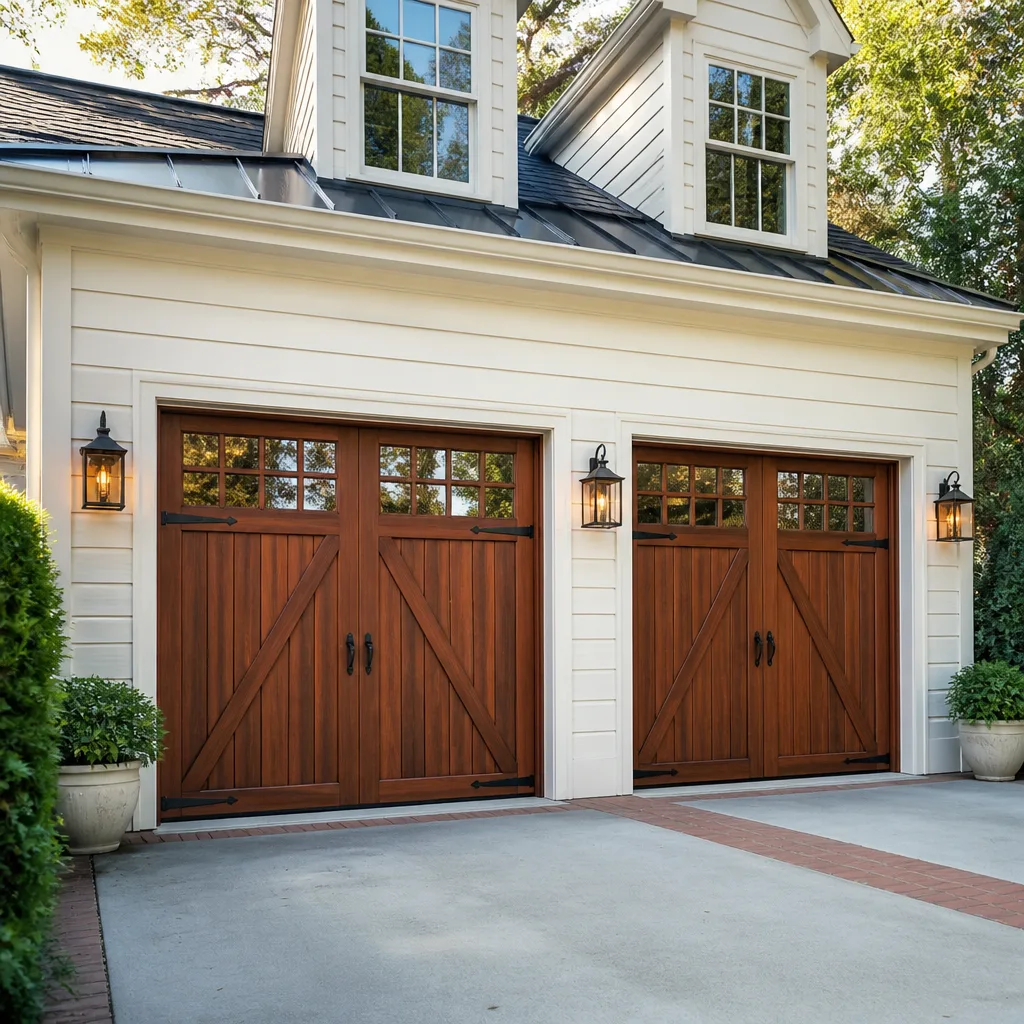 Carriage house
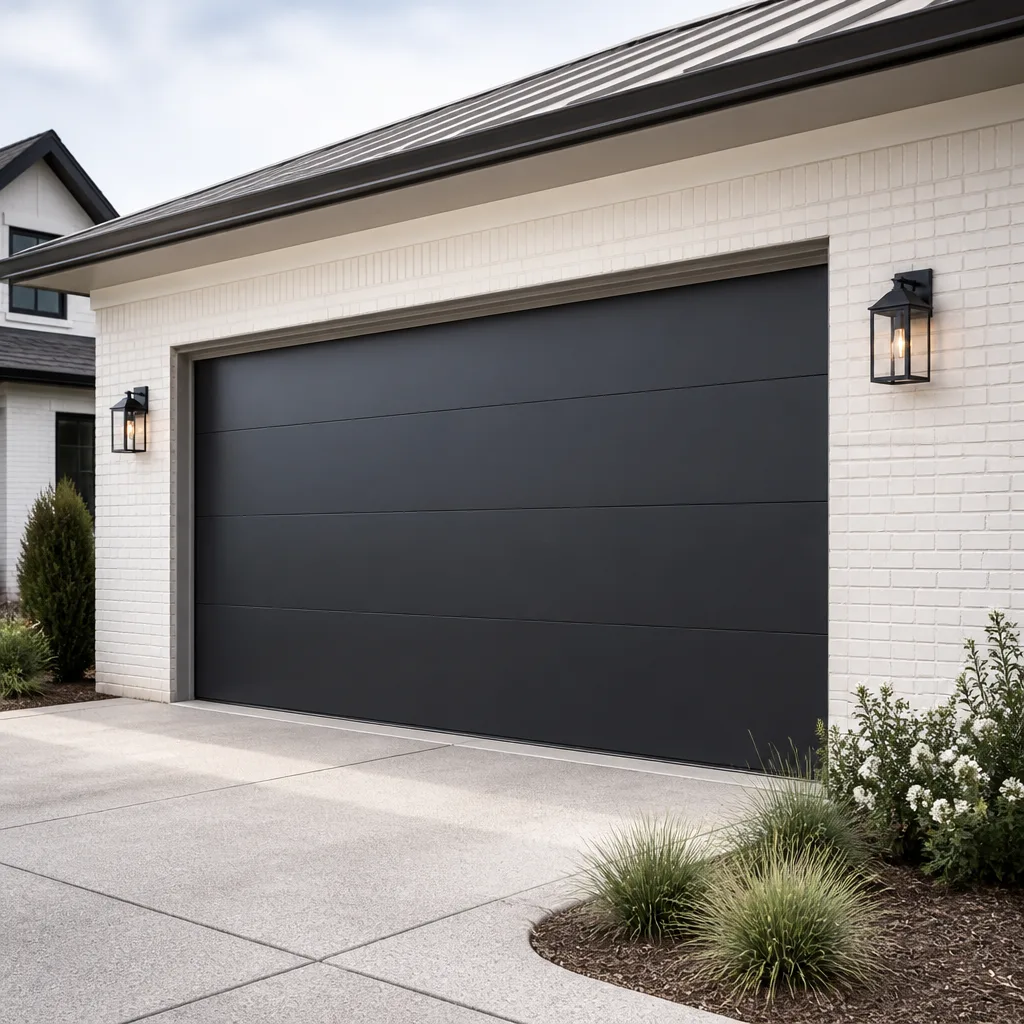 Modern flush
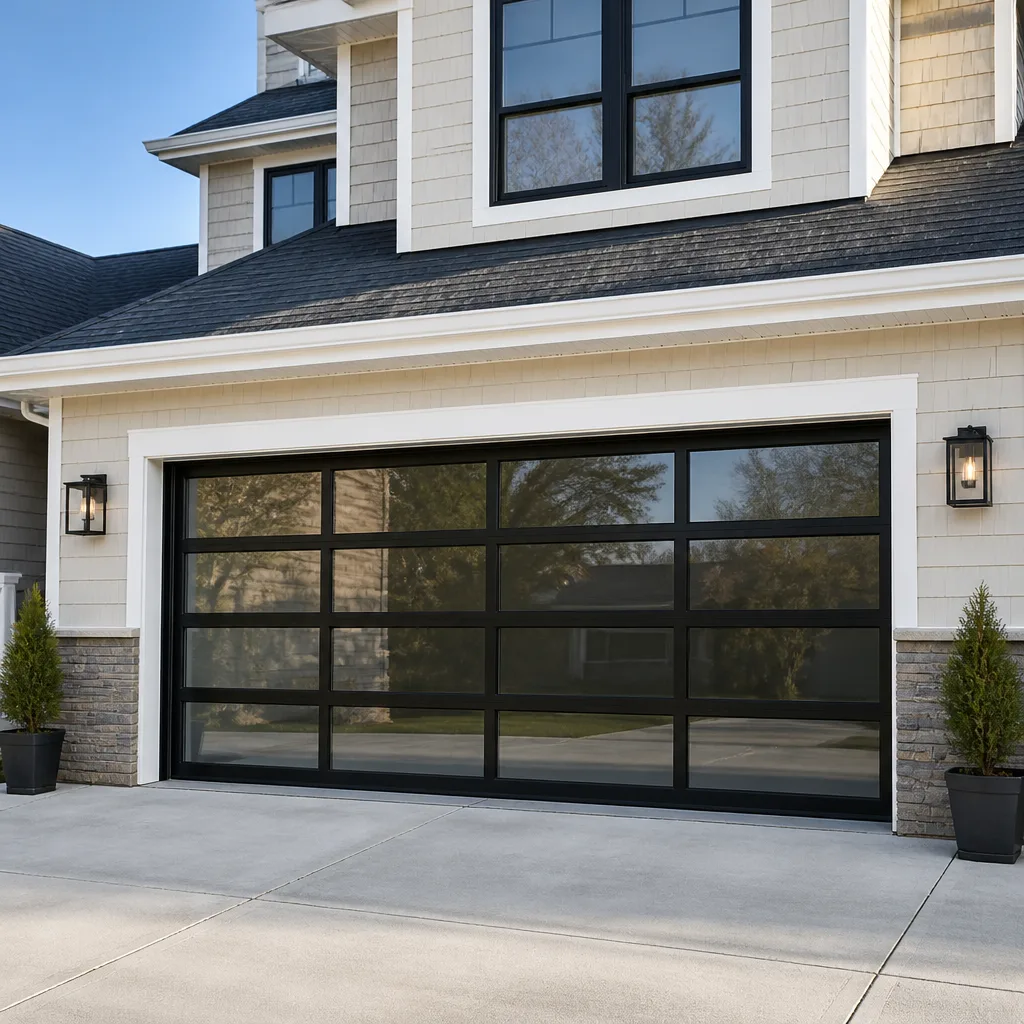 Full-view glass
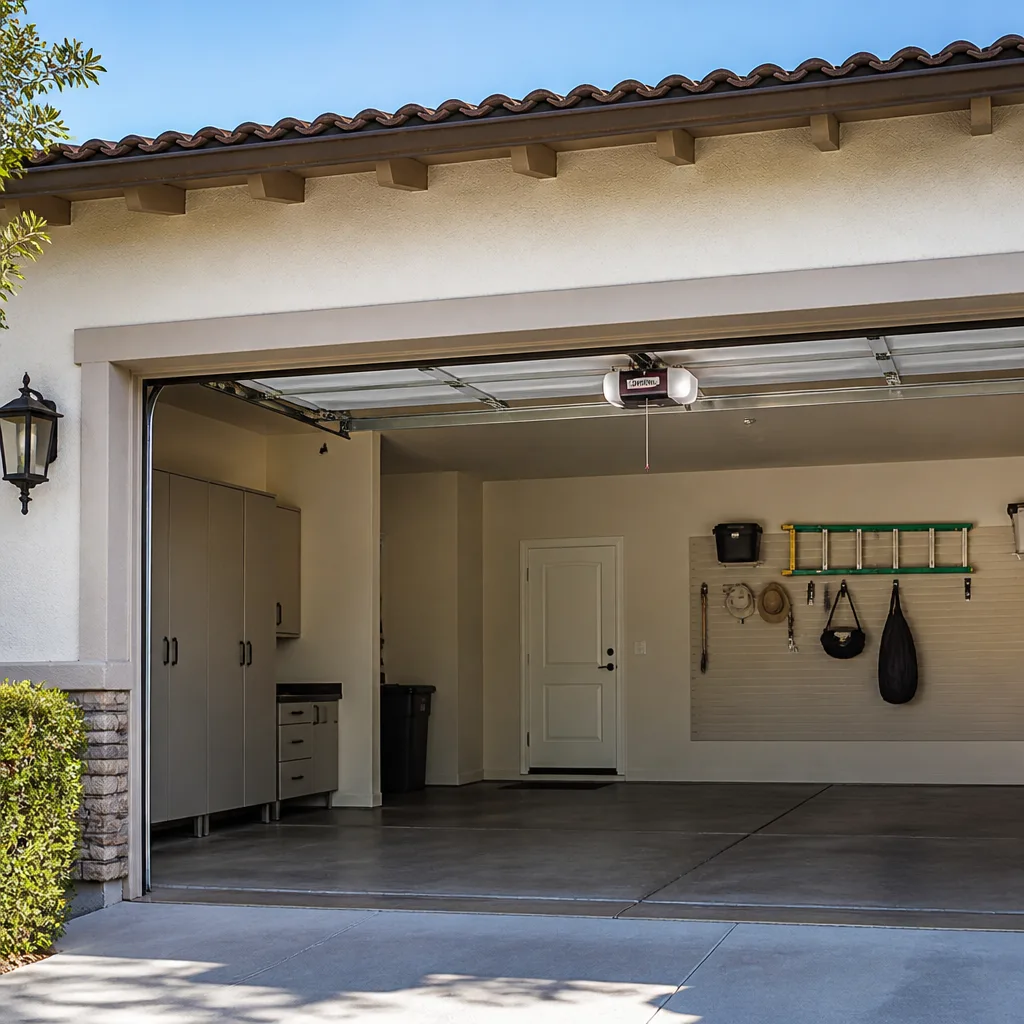 LiftMaster openers
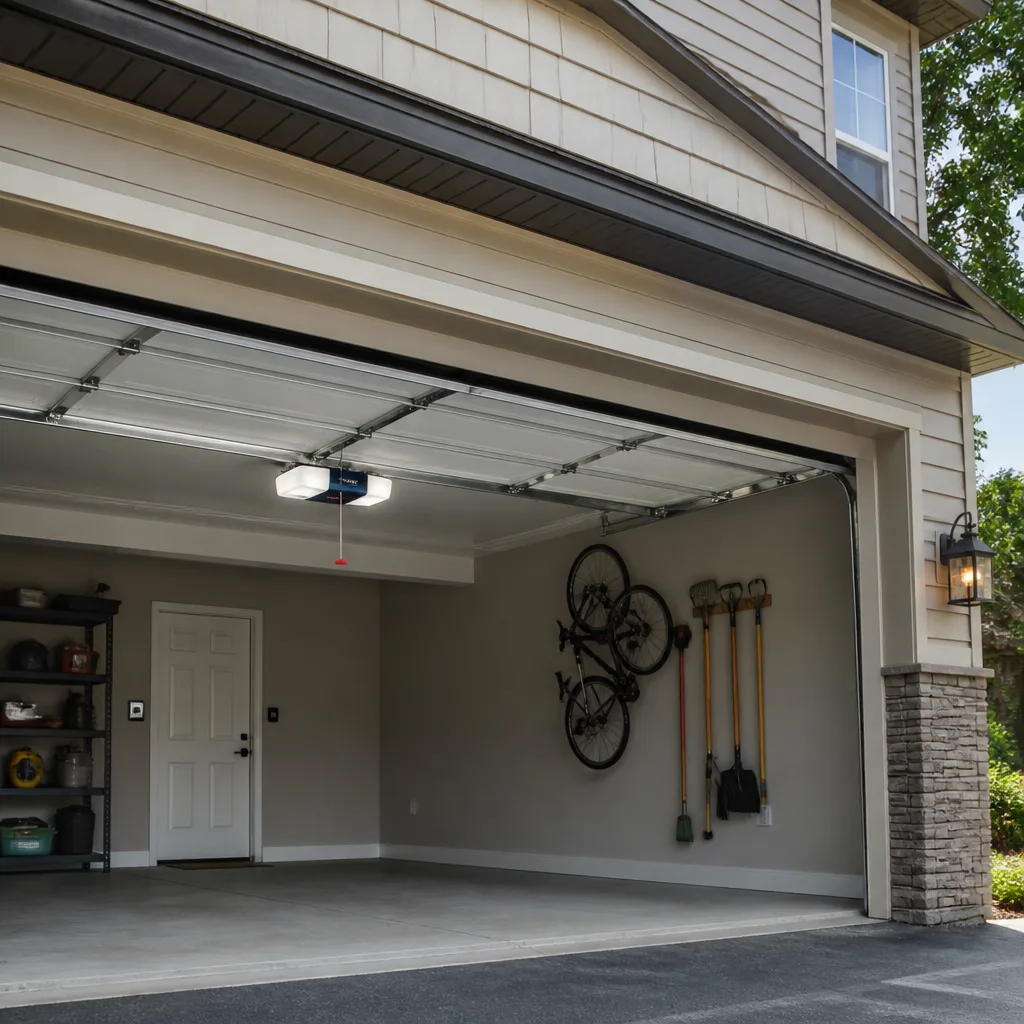 Chamberlain openers
Full 25-point door and opener safety check with every visit - springs, cables, rollers, tracks, and your LiftMaster or Chamberlain opener included
You get a price before we start. It does not change when the pro arrives.
Get your free estimateGarage Door Permits, Codes & Inspections in Burien, WA: What You Need to Know
Most people assume a garage door is private property with no paperwork attached, and that the only thing worth worrying about is a spring that snaps in the middle of the night. In Washington State, though, some garage door work is permitted construction, and skipping that step can follow a homeowner into a real estate transaction long after the door was installed. A replacement done without the required permit can surface as a material defect disclosure when you sell – and correcting paperwork after the fact is nearly always more inconvenient than filing for it in the first place. In this guide we’ll walk through what actually triggers a permit in Burien, what counts as a like-for-like swap, how the King County and Burien process works in practice, and how to confirm your contractor filed what they said they would.
Quick Answer
In Burien, routine garage door repair – replacing springs, cables, rollers, tracks, and openers – generally does not require a permit. Replacing a garage door, or installing a new one on a new opening, typically does require a permit and, if the new door is on an attached garage, must meet Washington State energy code requirements for insulation. Always confirm the specific requirement with the City of Burien’s building department before work starts, and ask your contractor for the permit number once it is issued.
Styles & brands we work with
- Raised-panel steel
- Carriage house
- Modern flush
- Full-view glass
- LiftMaster openers
- Chamberlain openers
Table of Contents
- Which garage door work in Burien requires a permit?
- What “like-for-like replacement” means and why it’s misunderstood
- Washington State energy code and garage door insulation
- How the Burien and King County permit process works in practice
- What triggers an inspection and what inspectors look for
- How to confirm your contractor actually pulled the permit
- What an unpermitted door means for insurance and warranty
- Common mistakes to avoid
- When to call a professional
- Frequently asked questions
Which garage door work in Burien requires a permit?
The short rule of thumb is that repair rarely needs a permit, and replacement usually does. That sounds simple, but the line between the two is where most homeowners get confused.
Work that typically does not require a permit in Burien:
- Replacing a torsion or extension spring
- Replacing cables, drums, or rollers
- Replacing or repairing an opener motor, logic board, or remotes
- Realigning tracks or repositioning hinges
- Weatherstripping, bottom seals, and trim repairs
- Repainting or refinishing an existing door
Work that typically does require a permit:
- Replacing an entire existing garage door, even with the same size
- Installing a new garage door where there wasn’t one before
- Enlarging or modifying the garage door opening
- Adding a detached or attached garage, which includes its door
- Changing the structural framing around an opening
We field this question often, especially from homeowners preparing to sell. If you’re adding or replacing a door on an attached garage, the door becomes part of the building envelope, and the city treats it that way. Structural work and envelope changes are the two categories that consistently pull permits. Simple mechanical repairs – what garage door repair covers on a day-to-day basis – almost never do.
Two things vary that we can’t decide for you: whether your specific door qualifies as a “minor repair” under the city’s view, and whether a newer energy code applies to the door you’re installing. Both answers come from Burien’s building department, and we always recommend a two-minute phone call to confirm before any replacement starts.
What “like-for-like replacement” means and why it’s misunderstood
This is the single most misunderstood exemption in residential construction. A lot of homeowners believe that swapping a door for one that’s the same width and color counts as “like-for-like” and therefore doesn’t need a permit. In practice, “like-for-like” is much narrower than most people assume.
Like-for-like generally means you are replacing a component with an identical one, with no change in structural load, footprint, framing, or envelope performance. Replacing a broken spring with a spring of the same wire gauge and cycle rating is like-for-like. Replacing a broken center bracket with a bracket in the same position is like-for-like. Swapping an entire garage door, even for one that fits the same opening, is usually not treated as like-for-like under the code because the door itself is a different manufactured product with different specs.
The confusion comes from the do-it-yourself market: retail doors at big-box stores come with instructions, and installing one feels like swapping a screen door. But a garage door carries real structural loads through the springs, brackets, and header, and inspectors treat that as construction work.
Two specific things to check before assuming your project is exempt:
- Does the manufacturer spec differ from the removed door? Different weight per panel, different spring system, or different wind-load rating all disqualify the swap from like-for-like in most jurisdictions.
- Is the door on an attached garage? If yes, the door is part of the conditioned-space envelope, which tightens the energy code requirement and, in practice, usually means a permit.
When the answer is unclear, we always tell customers to ask the City of Burien. A short call before the door is ordered saves a long headache after it’s installed.
Washington State energy code and garage door insulation
If you’re replacing a garage door on an attached garage in Burien, the door needs to meet the insulation and air-sealing requirements in Washington State’s energy code. That’s a straightforward statement; what makes it complicated is that the code changes over time, so the requirement that applied to a door installed ten years ago may not be the requirement that applies to the one you’re buying now.
In broad terms, the code specifies a maximum U-factor for the door – U-factor being a measure of how readily heat passes through the assembly, with lower numbers being better insulated. The specific number depends on your home’s climate zone, which for Burien falls under the state’s assigned zone. That zone detail matters because the same door that passes in eastern Washington may not meet the requirement here, and vice versa.
What we look at when helping homeowners choose a door with code in mind:
- U-factor on the manufacturer’s spec sheet – most reputable brands publish this, and it must be documented, not guessed. Clopay, Amarr, and Wayne Dalton all publish U-factor tables for their residential lines.
- Insulated vs. non-insulated construction – a non-insulated steel door typically has a much higher U-factor and usually won’t meet current code for an attached garage.
- Perimeter sealing – the bottom seal, side seals, and header seal all affect actual performance; a well-insulated door with poor sealing performs like a lower-rated one.
- Door thickness and panel construction – these affect both U-factor and weight, which in turn affects the spring system you’ll need.
We always recommend confirming the exact U-factor requirement with Burien’s building department before ordering. Manufacturers update specs, the code updates values, and the last thing you want is a door that arrives at the house and doesn’t comply.
A well-insulated door has a side benefit that isn’t about code at all: it quiets the door significantly, cuts drafts coming off the garage into the house, and reduces the load on your opener. That’s a genuine improvement in how the garage door works day to day.
How the Burien and King County permit process works in practice
Permit processes sound bureaucratic until you’ve actually walked through one. In practice, a residential garage door permit is one of the more straightforward filings in the building department’s queue, and understanding the sequence takes the mystery out of it.
The typical sequence for a residential garage door replacement in Burien:
- Determine the permit type. A straight door replacement is usually filed as a residential alteration or repair permit. New construction on a new opening is filed under the broader building permit for the garage itself.
- Gather the documentation. That typically includes a description of the work, the address, the existing door specs, and the new door specs (make, model, U-factor, size). Manufacturer spec sheets help here.
- Submit the application. Burien handles permitting through the city’s building department, which coordinates with King County on some plan-review functions. Most simple door permits can be submitted online.
- Pay the permit fee. Fee amounts scale with scope and are set by the city. For a simple door swap on a single-family residence, the fee is usually modest relative to the door cost itself. Confirm current fees with the city.
- Receive the permit and post it. Permits need to be visible on site during work.
- Complete the work, then schedule the inspection. The inspector verifies the door matches the submitted specs and, where applicable, the energy code requirement.
- Close the permit. The inspector signs off and the record is filed with the address, which is what protects you at resale.
Timelines vary with the city’s workload. A clean, complete application on a simple replacement often moves quickly; a complex application or one missing documentation sits in the queue. We tell customers to build in a buffer and let the permit drive the schedule rather than the other way around.
The inspection step trips people up. Inspectors aren’t evaluating aesthetics; they’re checking that the installed door matches the approved specs, that the U-factor meets the code requirement if applicable, and that the assembly is properly anchored. A door installed before the permit is pulled creates a paperwork problem that inspectors can’t simply wave through, which is exactly why we don’t start replacement work until the permit is in hand.
What triggers an inspection and what inspectors look for
A residential garage door replacement that has a permit will almost always require an inspection. The inspection is quick, and it’s not adversarial – the inspector is confirming the installed product matches what was approved.
Typical inspection triggers for garage door work:
- Any permitted enclosure replacement on an attached garage
- New construction of a garage with a door
- Structural changes to the door opening
- Any work that touches the building envelope
What the inspector usually reviews:
- Door make, model, and size vs. the submitted spec sheet
- Insulation U-factor documentation, where energy code applies
- Proper attachment of hinges, brackets, and the center bearing plate
- Header and jamb condition, especially where the door meets framing
- Track alignment and clearances
- Opener safety features – photo-eye reversal and, where required, entrapment protection
- General workmanship on the surrounding seals and trim
Inspectors don’t test the springs, because spring systems aren’t part of the permitted scope. But they will look at the door’s operation as a whole, and a badly maintained door can raise questions. In our experience, the most common reason a garage door inspection fails isn’t the door at all – it’s that the opener was swapped or upgraded during the same project without being included on the permit. If you’re replacing the door and your opener is being changed at the same time, mention it during application so it’s covered.
If the inspection fails, the permit stays open. Open permits are visible on the public record and can surface during a title check. Getting them closed requires corrections and a re-inspection, which is far more work than getting it right the first time.
How to confirm your contractor actually pulled the permit
This is the single most practical thing a homeowner can do, and almost nobody does it. Contractors who skip permits do so because the permit adds cost, time, and inspection exposure. When a door is installed without a permit, the record of that work doesn’t exist.
Here’s how to verify, in order:
- Ask for the permit number in writing before work begins. A legitimate contractor will provide it. “We’ll pull it after the job” is not an acceptable answer.
- Look up the permit on the city’s permit portal. Burien publishes permit records online. Search by your address and confirm the permit exists, matches the scope you were quoted, and lists the correct contractor.
- Confirm the contractor on the permit matches the contractor doing the work. A permit pulled under a different company’s name is a red flag.
- Ask to see the final inspection sign-off after the work is complete. The signed-off permit is your evidence the door was installed correctly and the record is closed.
- Keep a copy of the permit and the final inspection record with your home documents. You’ll want it for insurance and for resale.
Two edge cases worth knowing:
- If you’re replacing the door on a detached garage that’s not conditioned space and not part of the primary structure, the permit requirement may be lighter. Ask the city – don’t assume.
- If your contractor tells you “we never pull permits for garage doors,” ask specifically whether that applies to a replacement on an attached garage. It usually doesn’t.
We work on what you already have, not what we sell, so we never have a reason to discourage a permit. On garage door opener repair and spring work, there’s no permit to discuss – it’s repair. On a replacement that involves a permit, we expect the homeowner to ask for it, and we plan to provide it.
What an unpermitted door means for insurance and warranty
Two big exposure points matter most: your homeowner’s insurance and your manufacturer’s warranty.
Insurance. Homeowner’s policies vary, but many include language about unpermitted work in claims decisions. If a garage door assembly was replaced without a permit and a failure occurs that a claim gets filed against, the insurer may examine whether the work was permitted and correctly installed. That doesn’t mean every insurer denies every claim on unpermitted work, but it does mean you’re exposed to a question you’d rather not be answering in the middle of a claim. Call your insurer to ask about your specific policy – do not rely on general guidance, ours included.
Warranty. Manufacturer warranties on garage doors typically require installation in accordance with the manufacturer’s published instructions and applicable local codes. Work performed outside a permit doesn’t automatically void a warranty, but a claim gets harder to win when the paper trail is incomplete. More than once we’ve seen a homeowner trying to claim a failed door only to discover the install wasn’t permitted, wasn’t documented, and had no inspection record.
Resale. This is the one that surprises people. When a home is sold in Washington State, the seller completes a disclosure form covering material defects and permitted additions. Unpermitted work often surfaces in a title search or during buyer inspection. The buyer may ask for it to be brought into compliance before closing, which means retroactive permitting, potential re-work, and delays. In our experience, the cost of retroactively permitting a garage door replacement is typically far higher than filing for the permit up front – not because the permit fee is high, but because the retrofit can require opening the wall, re-documenting the install, and paying for a re-inspection.
These are the exact reasons we tell any Burien homeowner planning a replacement to insist on a permit, even when the contractor says it’s not needed. The savings up front are short-term.
Common Mistakes to Avoid
- Assuming a same-size swap is like-for-like. It usually isn’t. A manufacturer change is a product change, and the permit requirement usually applies even if the dimensions match.
- Not confirming the U-factor before ordering. Washington State energy code sets a U-factor requirement for doors on attached garages. Ordering without confirming the spec is the most common reason a door fails inspection in Burien.
- Paying for a door before confirming the permit. Don’t hand over payment for materials until the permit number exists and matches the job. Money paid in advance is the hardest thing to recover if the paperwork stalls.
- Letting the contractor file the permit “later.” A permit pulled after the work is complete creates a correction problem with the city and complicates sale disclosures. Require the number before work starts.
- Forgetting the opener in the application. If the opener is being replaced at the same time, list it in the permit scope. It’s easy to overlook and the inspection will flag it.
- Assuming the city tracks your door for you. Permits close because someone signs off on the inspection. If the final inspection never gets scheduled, the permit stays open on the public record – and that’s your problem at resale, not the contractor’s.
- Letting a handyman install a new door without a permit. A general handyman without a contractor registration isn’t in a position to pull a permit at all. That should tell you what it means for the inspection record.
When to Call a Professional
Some of this guide is paperwork – practical and worth knowing, but not dangerous. Some of it is not. High-tension torsion springs, extension springs, and cables carry enormous stored energy, and failures can cause serious injury. We don’t publish do-it-yourself steps for that work, ever. If you have a snapped spring, a cable that’s come loose, or a door that isn’t level, that’s a stop-and-call situation.
Permits and inspections are the same call. Any replacement on an attached garage in Burien has a good chance of triggering a permit and an energy code review, and the wrong choice now shows up at resale. If you’re not sure which category your project falls into, that uncertainty is the reason to call. We can walk through the repair vs. replacement question, tell you what typically needs a permit in Burien, and quote a written price for the work before anything starts. Burien Garage Door Repair Pros offers free estimates in Burien – call (877) 542-9430 and we’ll get the paperwork sorted before the door. Our technicians have up to 15 years of experience working on the eight most common residential brands – including Clopay and Wayne Dalton systems many Burien homes already have – and we diagnose before we recommend, ever.
Same-day service is available on repairs and emergencies; replacement work is measured, ordered, and scheduled around the permit. If you’d rather talk it through before making a plan, garage door spring repair and opener diagnostics are both straightforward places to start.
Frequently Asked Questions
In most cases, yes. Replacing an entire garage door on an attached garage in Burien typically requires a permit from the city’s building department, and if the garage is attached, the door must also meet Washington State energy code requirements for insulation. Confirming with the City of Burien before work begins is always the safest step. Call (877) 542-9430 for a free estimate on a permitted replacement.
No. Repair work – springs, cables, rollers, tracks, openers, and seals – generally does not require a permit in Burien. Replacement or new installation is where permitting, inspection, and energy code come in. If you’re uncertain which category your project falls under, ask the city’s building department directly, and we’re happy to walk it through with you.
Washington State energy code sets a maximum U-factor for garage doors on attached garages, which limits heat transfer through the assembly. The exact number depends on your home’s assigned climate zone, and the value changes as the code is updated. Manufacturer spec sheets list U-factor for residential doors; confirming the current requirement with Burien’s building department before ordering is the safe path. Call (877) 542-9430 for a free measurement and written estimate.
Ask for the permit number in writing before work starts, then look it up by address on Burien’s online permit portal. Confirm the permit matches the scope and lists your contractor. After the work is done, ask for the final inspection sign-off and keep it with your home documents. That record will matter at resale and in any insurance question. Call (877) 542-9430 if you’d like us to help you plan a permitted replacement.
Yes, in either case. Unpermitted work often surfaces in the seller’s disclosure form or during a buyer’s inspection, and can delay closing while it’s brought into compliance. Insurers may also ask whether work was permitted when reviewing a related claim. Retroactive permitting is possible but usually costs more than filing up front. Call (877) 542-9430 for guidance on your specific situation.
Like-for-like usually means a component-for-component swap with no change in product, structure, or envelope performance – a spring for an identical spring, for example. Replacing a full door with a different product, even one that fits the same opening, is generally treated as a permitted replacement because the door’s specs, weight, and U-factor differ. Confirming with the City of Burien is the practical answer. Call (877) 542-9430 for a free estimate before you order a door.
The Bottom Line
Permits aren’t glamorous, and that’s exactly why so many homeowners look the other way. But when it comes to a garage door replacement in Burien, the paperwork is the part that protects you – from inspection failure, from insurance questions, from a disclosure surprise at sale, and from a manufacturer warranty you can’t claim. Repair work – springs, openers, seals, and tracks – rarely needs a permit at all. Replacement and new installation usually do, and any replacement on an attached garage should also satisfy the state energy code’s U-factor requirement. Ask for the permit number before the door arrives, confirm it on the city’s portal, and keep the final sign-off. Our technicians have up to 15 years of experience, we work on what you already have, and we diagnose before we recommend. Burien Garage Door Repair Pros offers free estimates in Burien – call (877) 542-9430 and we’ll take it from there.
Written by the team at Burien Garage Door Repair Pros.
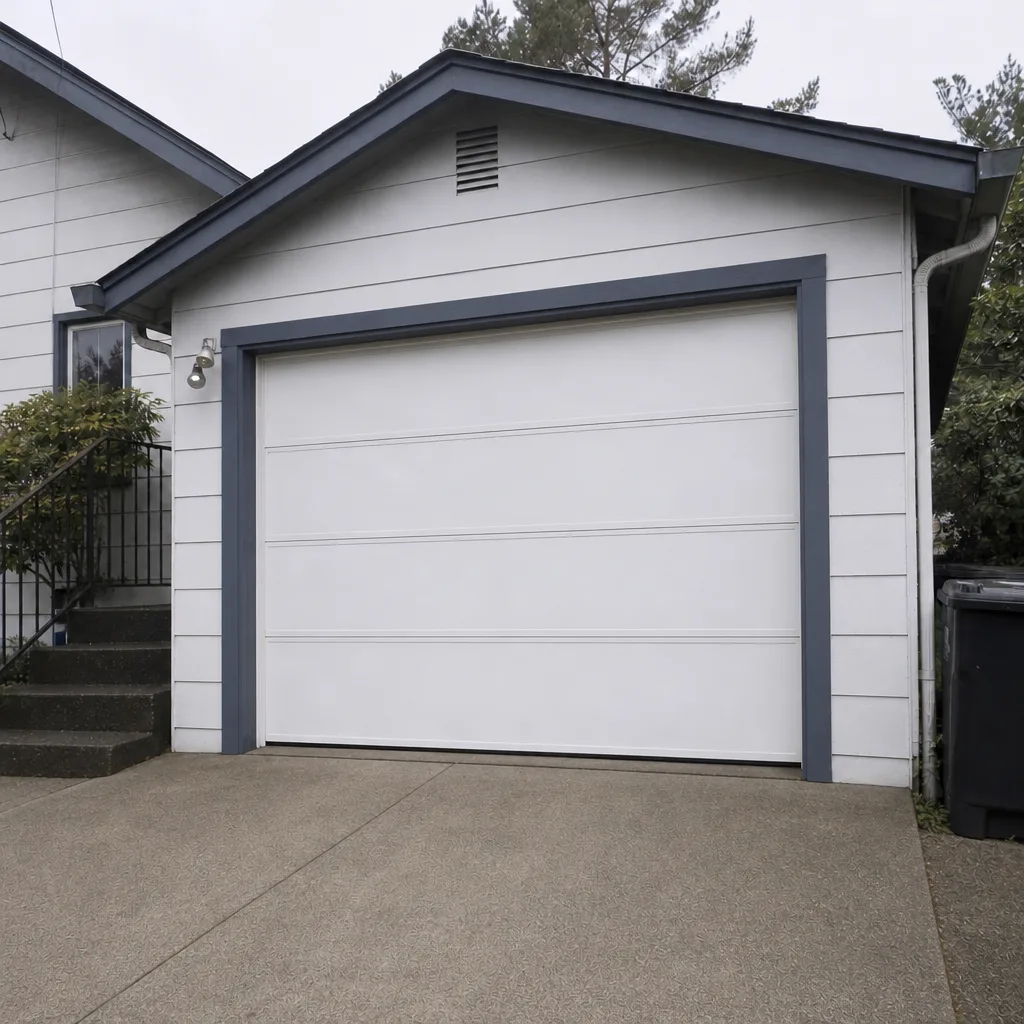
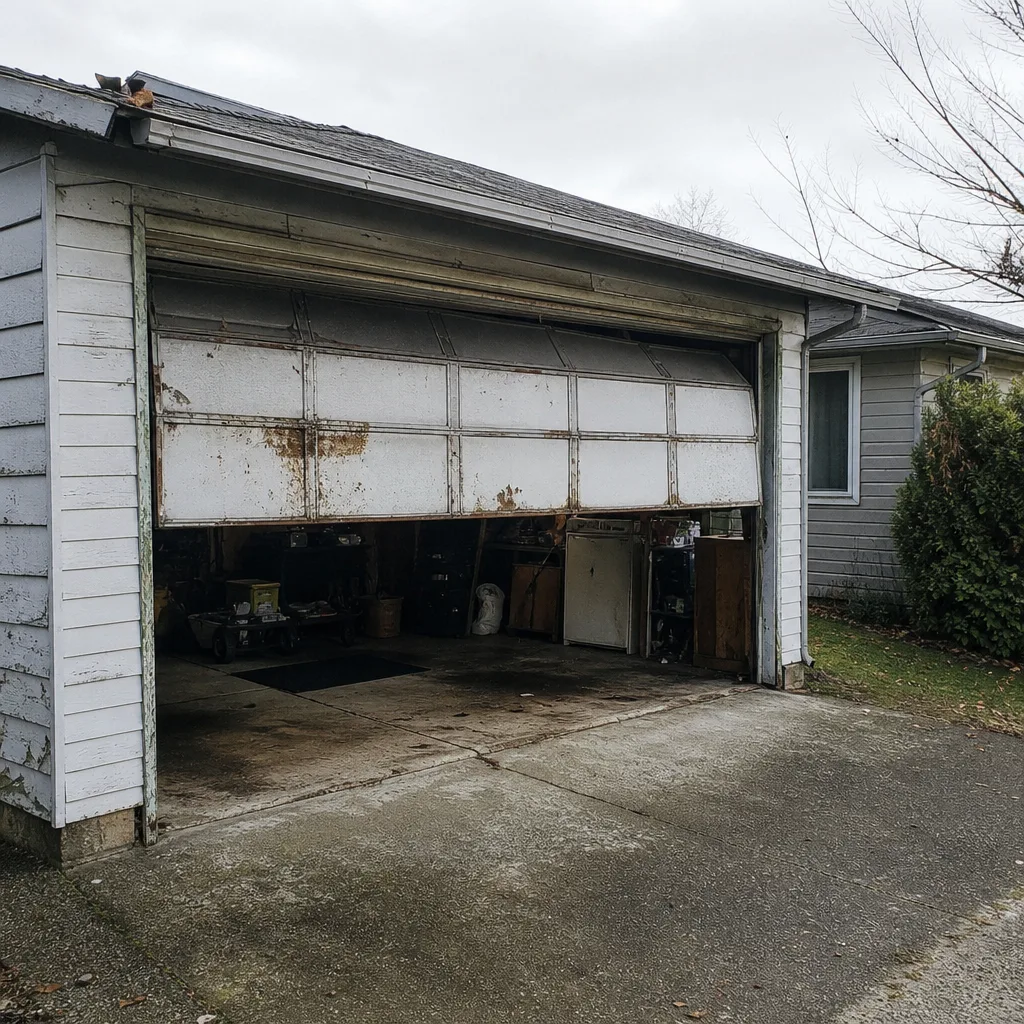
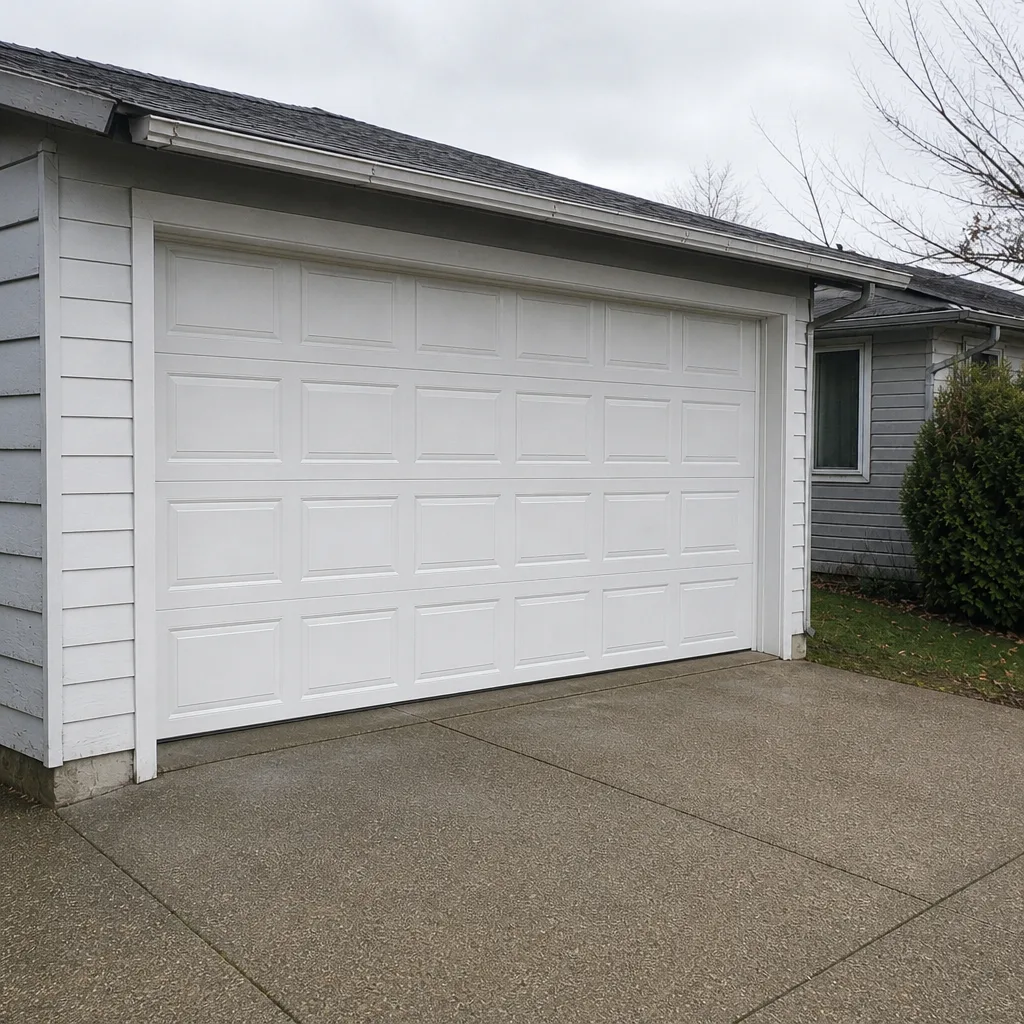
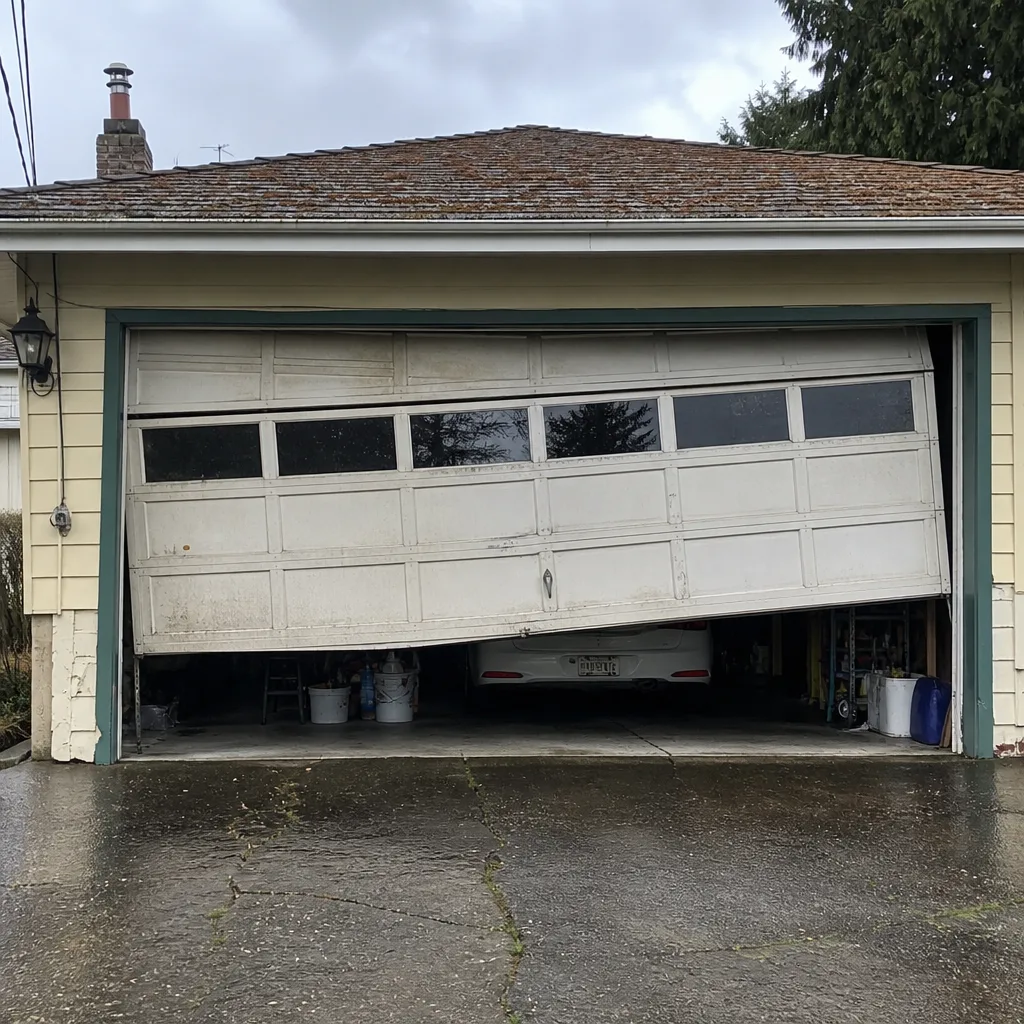
See the difference
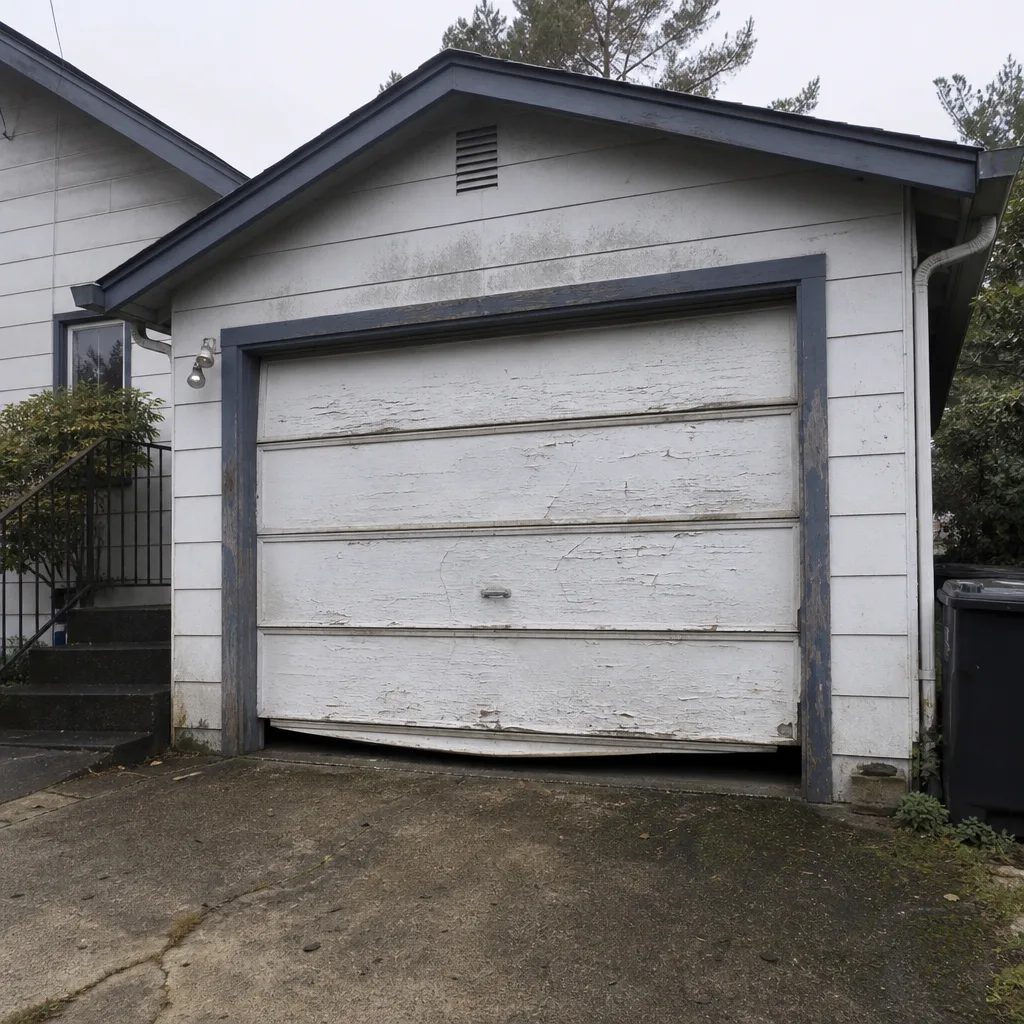 Before
 After
 Before
 After
 Before
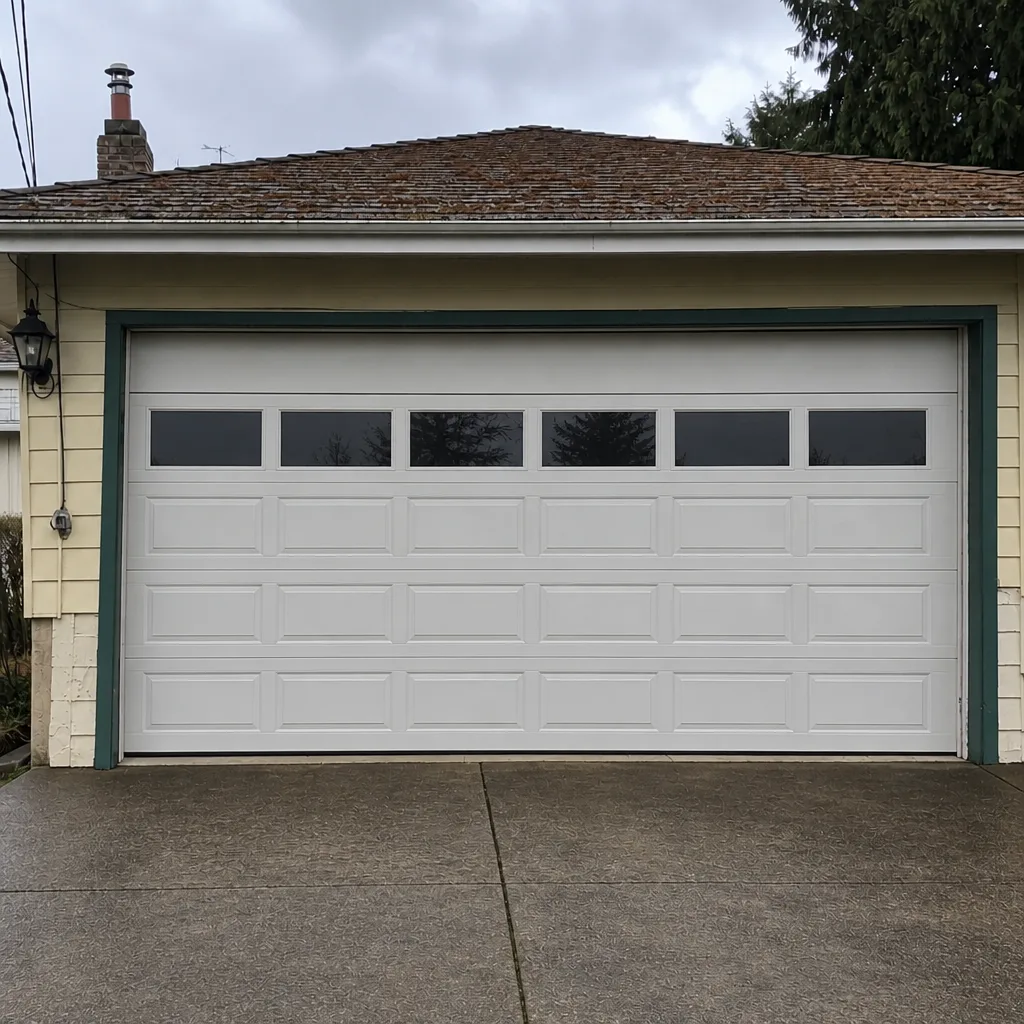 After